Did you know that from Shin-Osaka Station, you can easily reach many fascinating cities in Japan by Shinkansen? For this trip, I introduce a one-night journey to Fukuoka — a city famous for its Hakata ramen, lively street stalls, and warm local atmosphere.
You leave Osaka in the morning, spend a full day and night exploring Fukuoka’s highlights and hidden gems, and return to Osaka the following evening.
This is not just about guidebook spots — you also peek into local shops, taste authentic flavors, and enjoy the kind of experiences only a local guide can show you. If you love travel, food, and discovering places off the beaten path, this “One-Night Fukuoka Tour” is the perfect inspiration for your next adventure.
Table of Contents:
Access: The Journey Begins
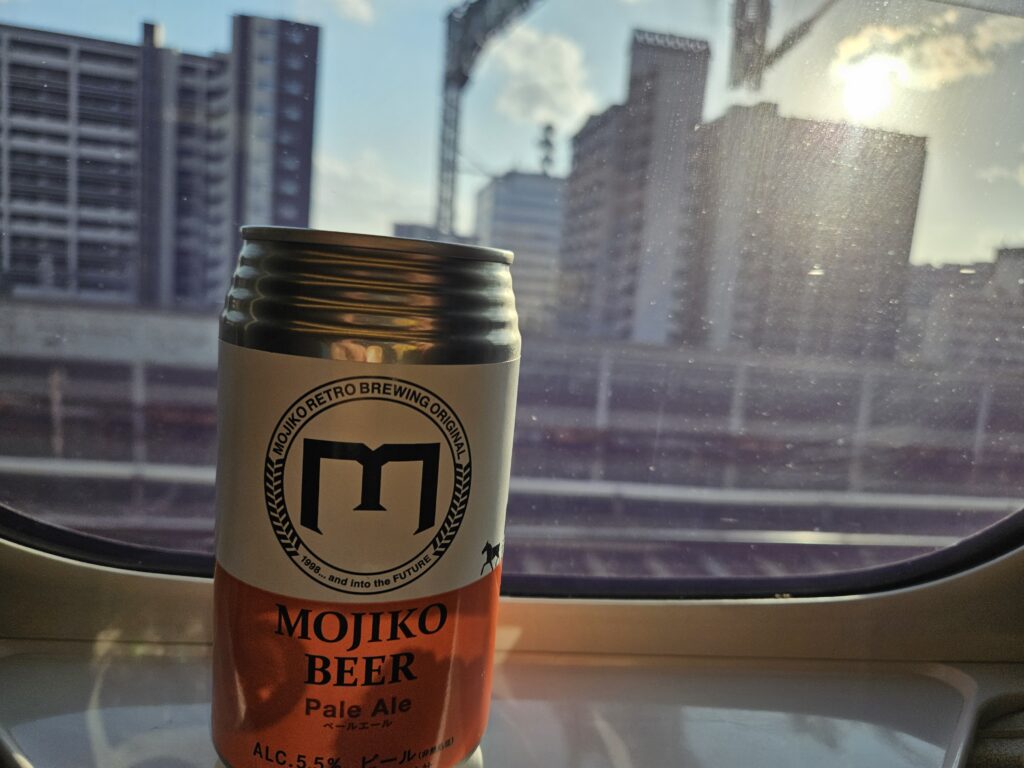
Leaving Osaka early in the morning, I boarded the Nozomi Shinkansen at 7:11 from Shin-Osaka Station. In just about 2 hours and 30 minutes, I would arrive in Hakata, Fukuoka at 9:39. The ride itself is part of the adventure — passing through Kobe, then racing past the historic city of Hiroshima, and gliding through the green landscapes of Yamaguchi Prefecture before finally reaching Hakata. Watching Japan’s scenery change from bustling urban centers to quieter countryside is a thrill that makes the journey feel like the start of something special.
Day One: Dazaifu & Hakata Flavors
Dazaifu Tenmangu Shrine
From Hakata Station, I took a bus ride of about 40 minutes to reach Dazaifu Tenmangu Shrine. Just a short drive away from the city, the atmosphere shifts — suddenly you’re surrounded by a slower, more rural rhythm.
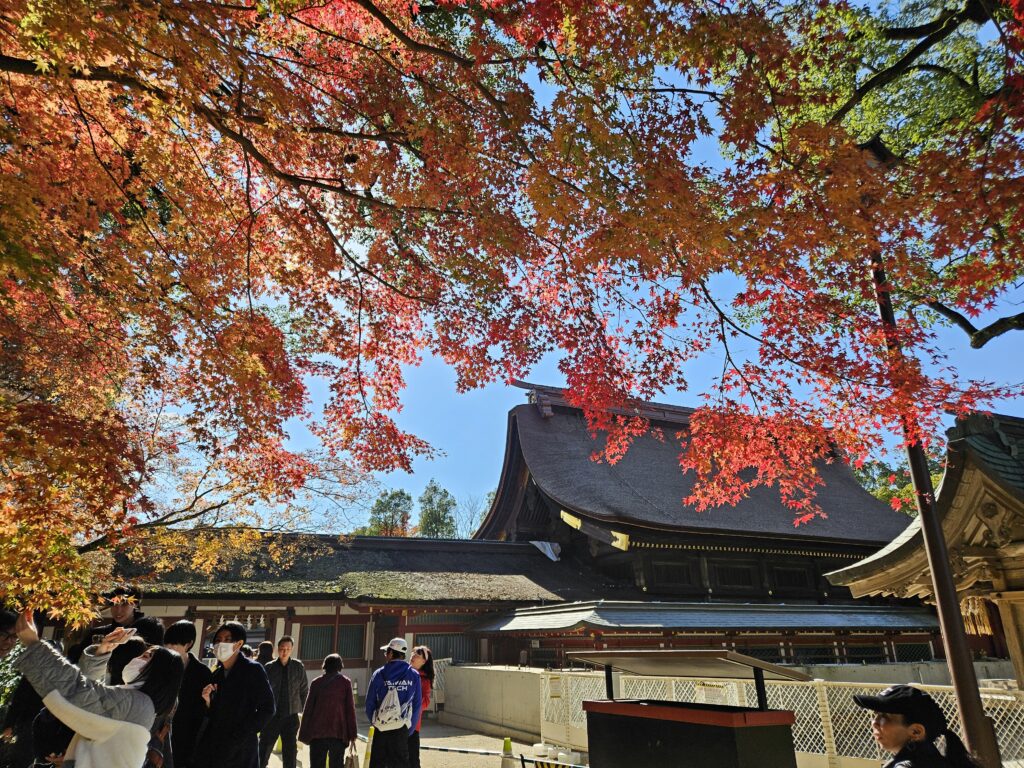
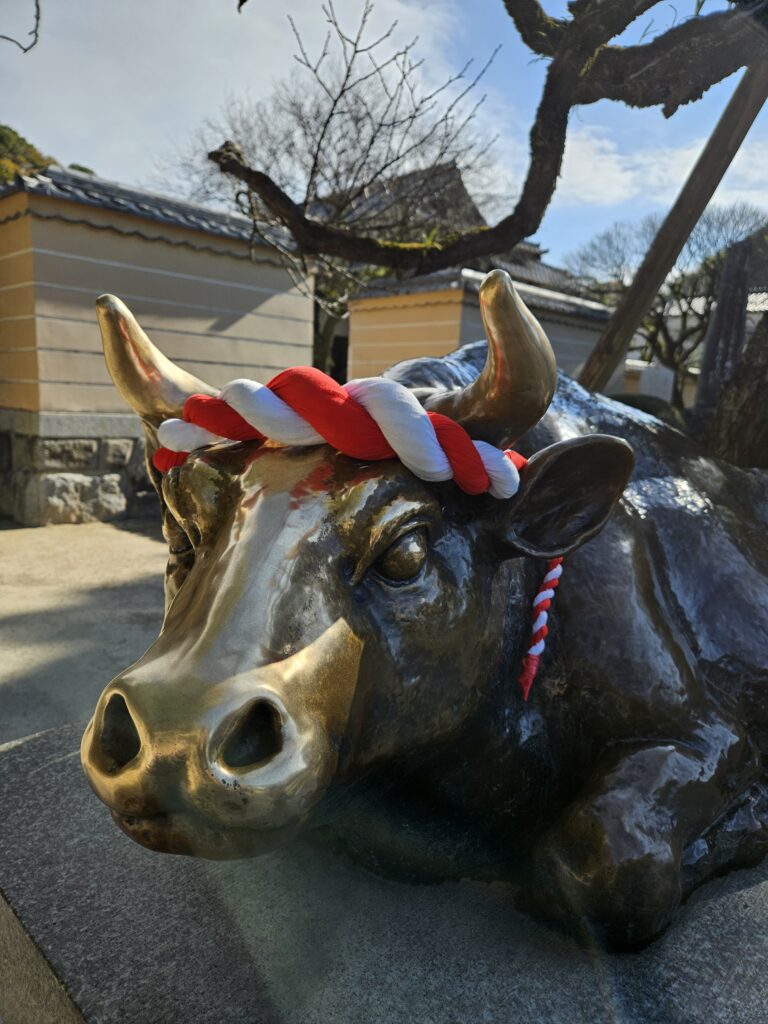
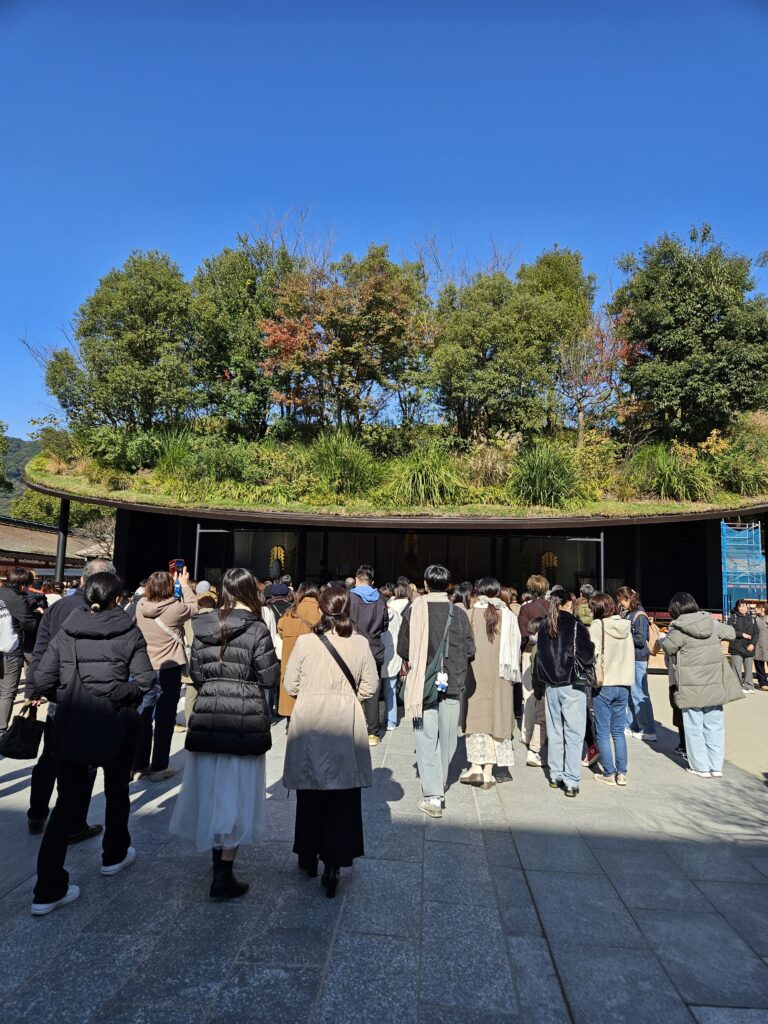
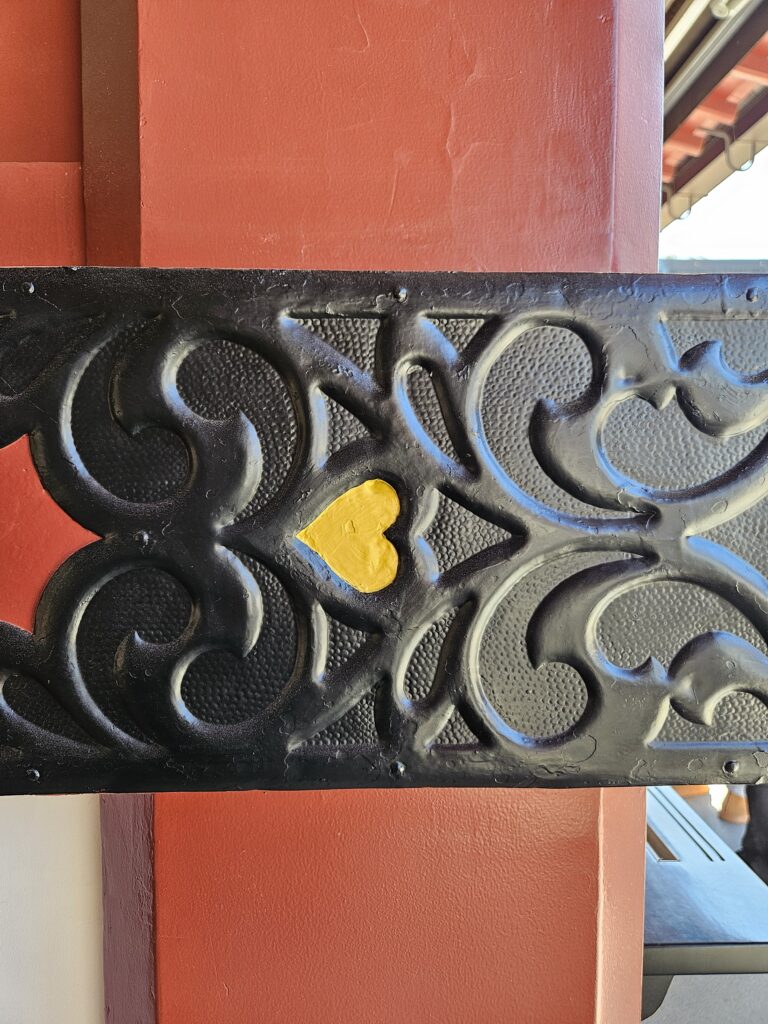
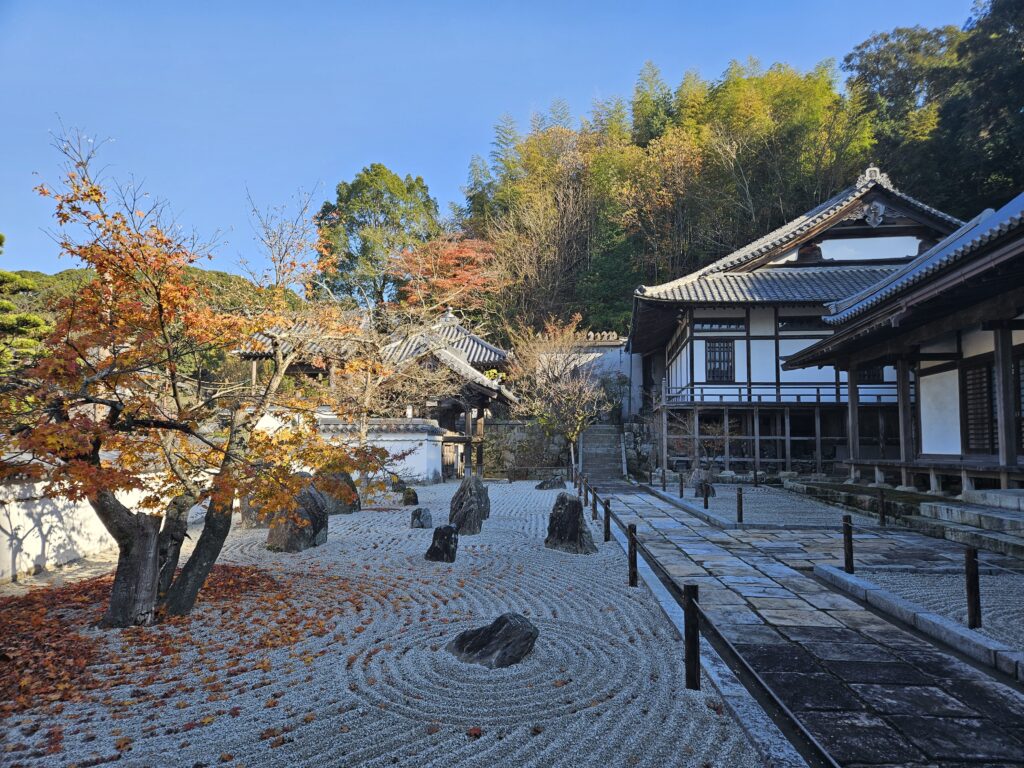
Dazaifu Tenmangu is dedicated to Sugawara no Michizane, the “god of learning,” and is famous for its plum trees and the legend of the ox (ushi). Walking along the approach (参道), you’ll find plenty of stalls offering local snacks — perfect for a bit of food sampling before entering the shrine grounds.
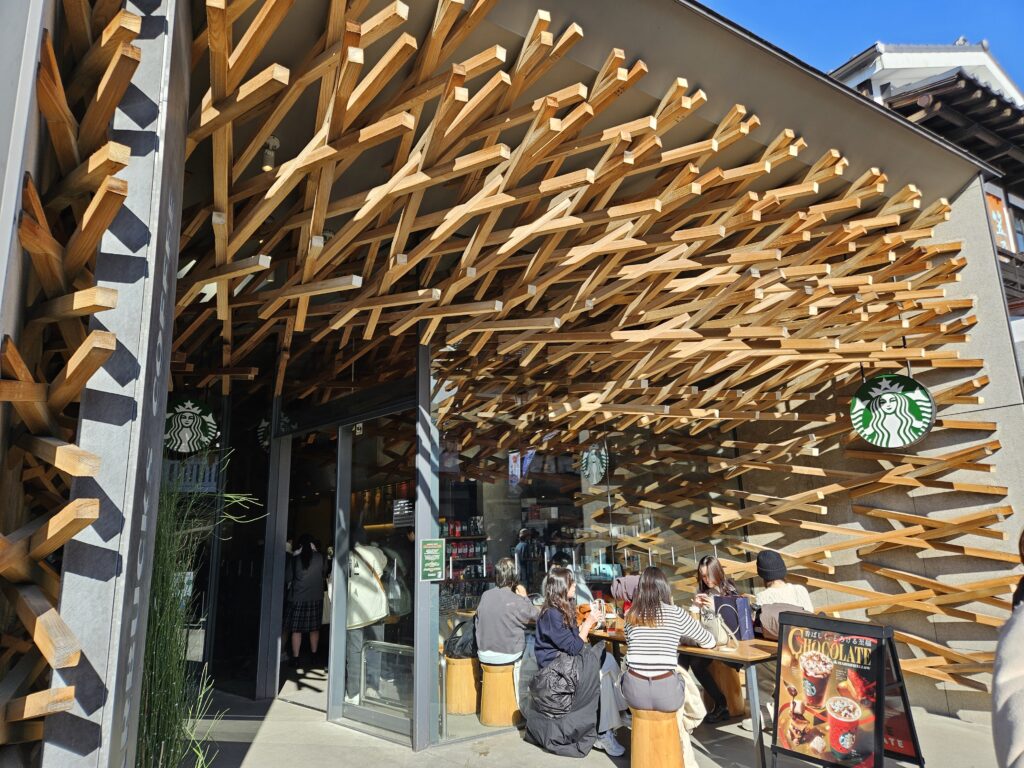
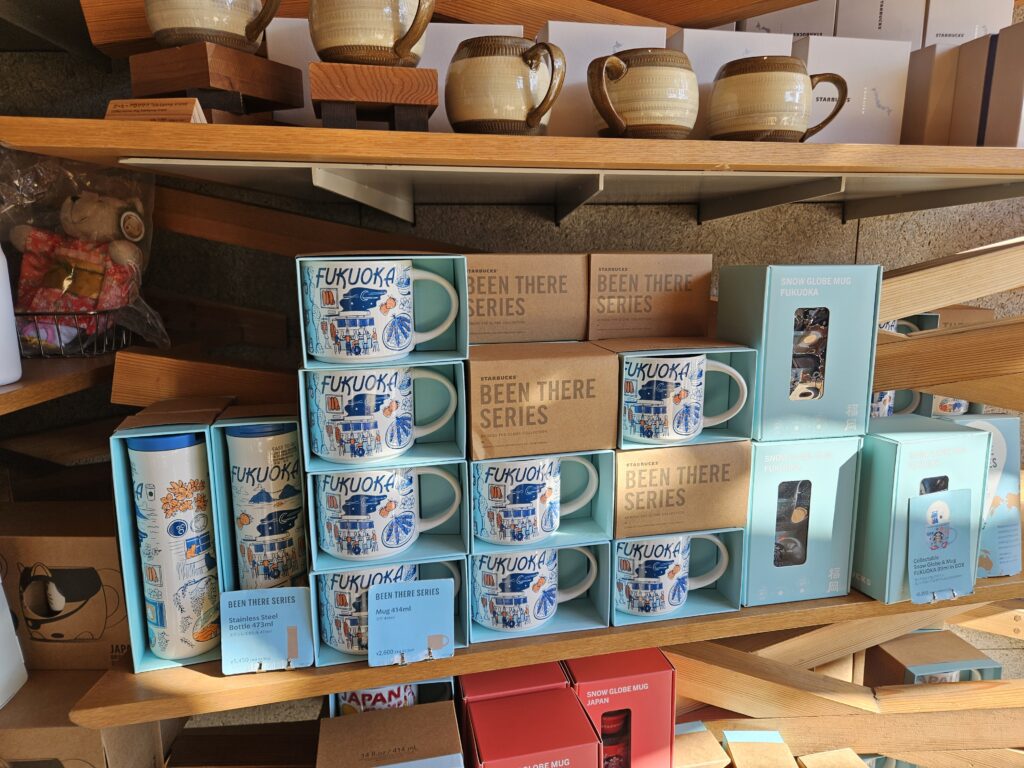
One highlight here is the Starbucks designed by architect Kengo Kuma, a striking wooden lattice structure that blends modern design with tradition. (Kuma also designed the iconic “Grand Roof Ring” for the Osaka Expo.)
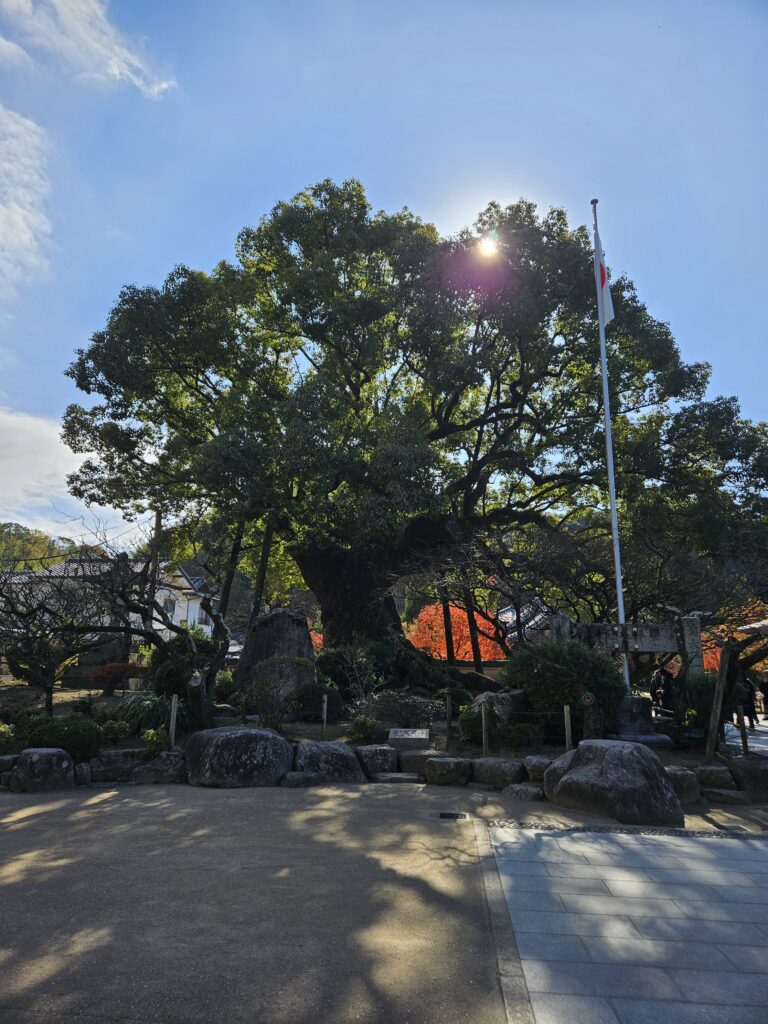
I also captured a photo of a special tree on National Foundation Day, which felt symbolic and worth sharing — a reminder of how history and nature intertwine at this sacred site.
Hakata Ramen Experience
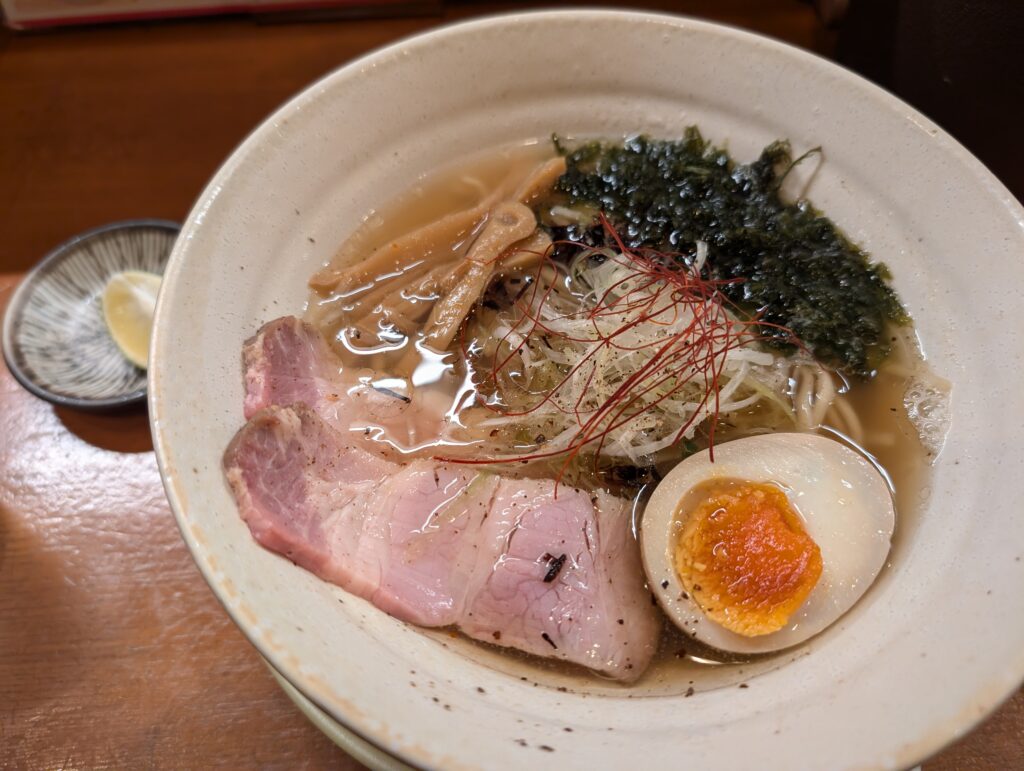
Back in Hakata, it was time for the city’s signature dish: tonkotsu ramen. Locals flock to small ramen shops, each offering their own take — from ultra-rich pork broth to lighter versions. Ordering is interactive: you choose noodle firmness, whether to add green onions, and the level of spiciness.
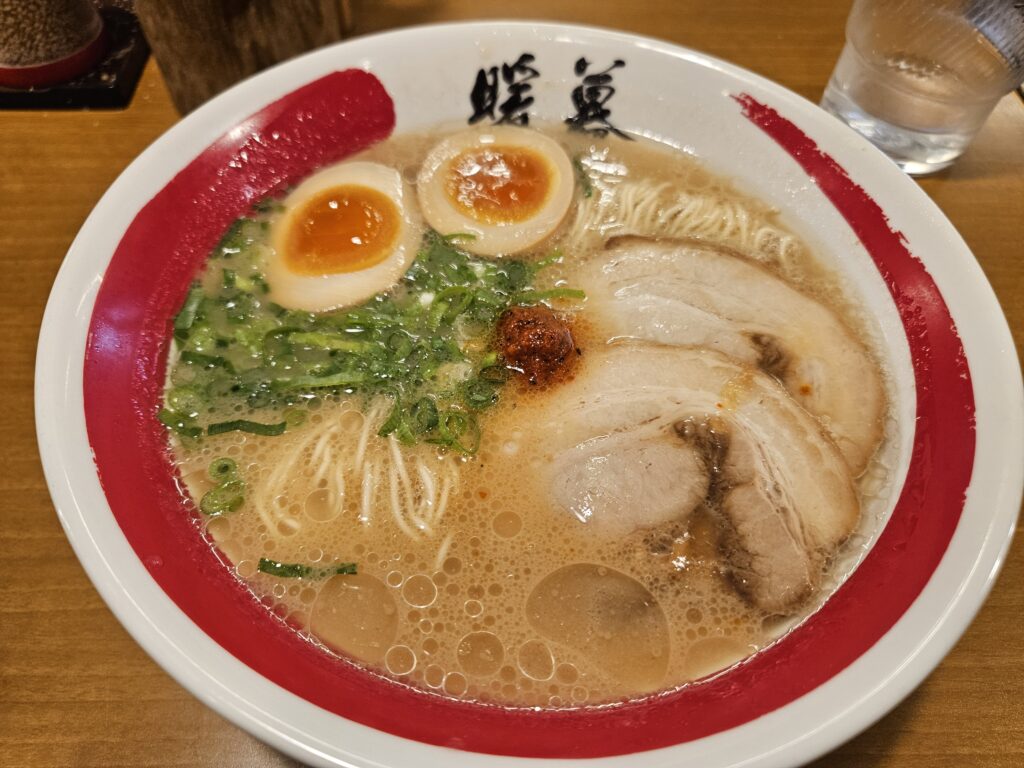
My personal recommendation? Noodles firm, with green onions, and medium spice. It’s the perfect balance of texture and flavor.
One of the joys of ramen in Japan is customizing it to your own taste — from noodle firmness to toppings and spice level. Don’t miss the chance to experience this unique way of ordering when you visit Japan!
Evening in Tenjin
After exploring, I wandered through Tenjin, Fukuoka’s lively downtown. The city truly comes alive at night — food stalls, izakaya, and restaurants everywhere. Even though it was only 4 p.m., being in Hakata means you simply have to start drinking! I kicked things off at a yakitori shop serving local specialties.
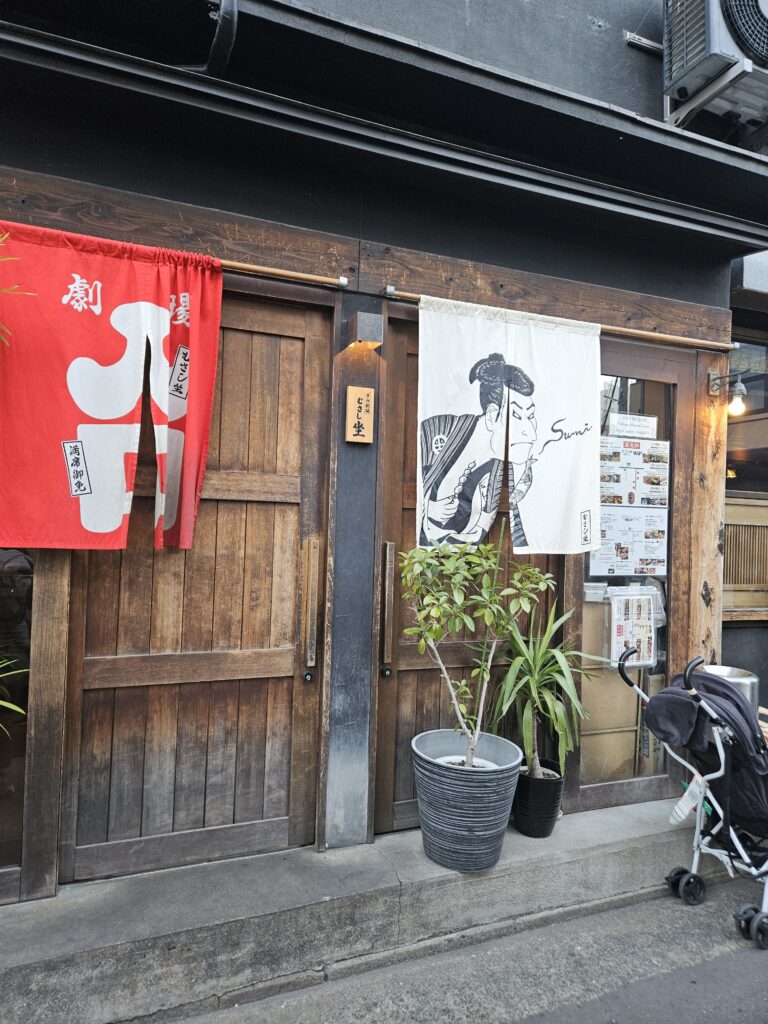
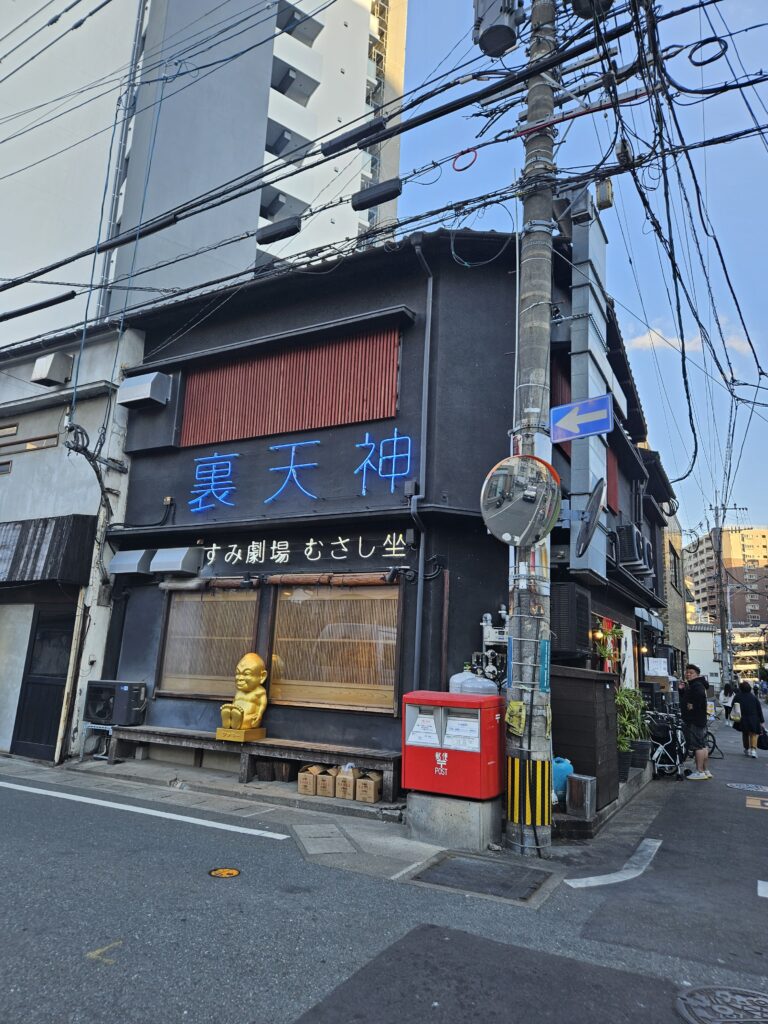
For food lovers, Fukuoka is paradise: wherever you step in, you’re likely to find something delicious. I ended the night with drinks at a station-side bar, soaking in the atmosphere.
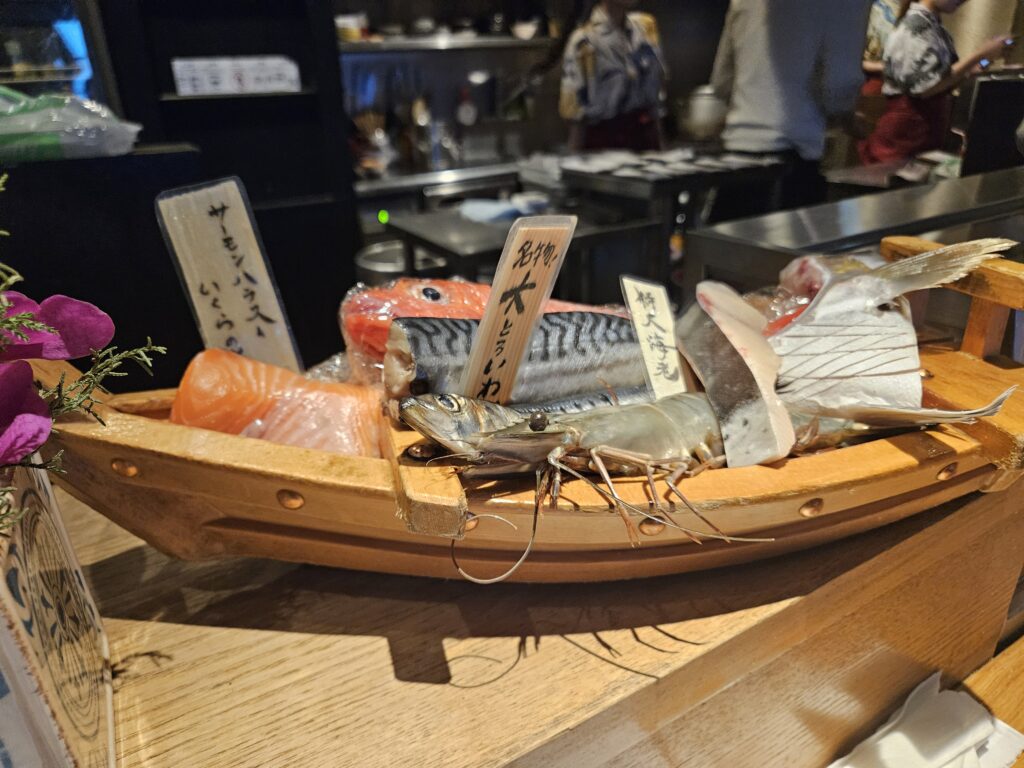
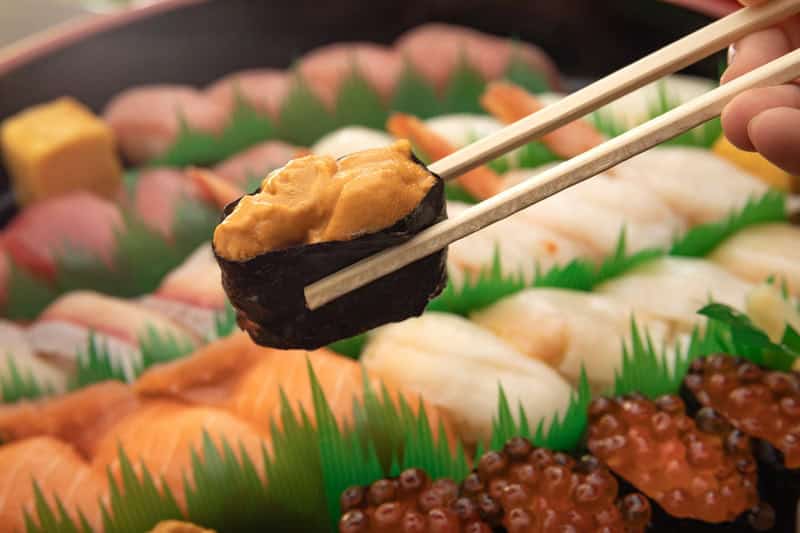
Fukuoka faces the sea, which means the city is blessed with an abundance of fresh fish and seafood. Wherever you go — from local markets to cozy izakaya — you’ll find dishes that highlight the day’s catch.
Sashimi served straight and pure, lightly seared aburi that brings out a smoky aroma, or perfectly grilled fish with crisp skin and tender flesh inside… each style has its own charm.
So, which one would you choose? Sashimi, aburi, or grilled fish? In Fukuoka, you don’t have to decide right away — you can try them all and discover your favorite.
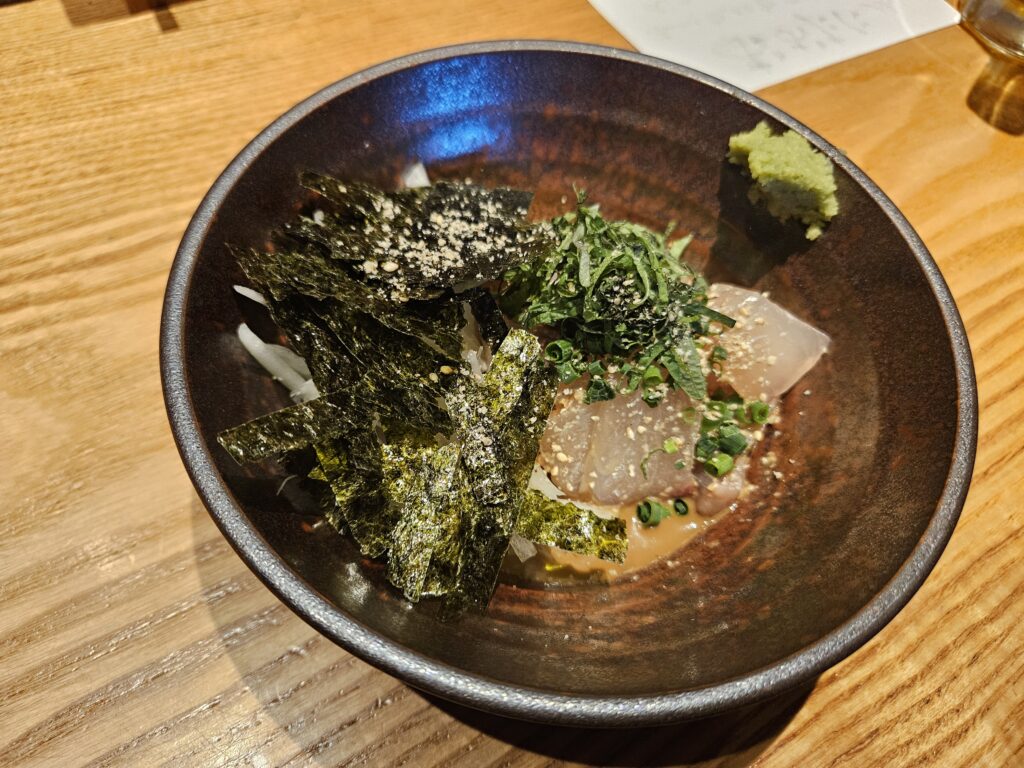
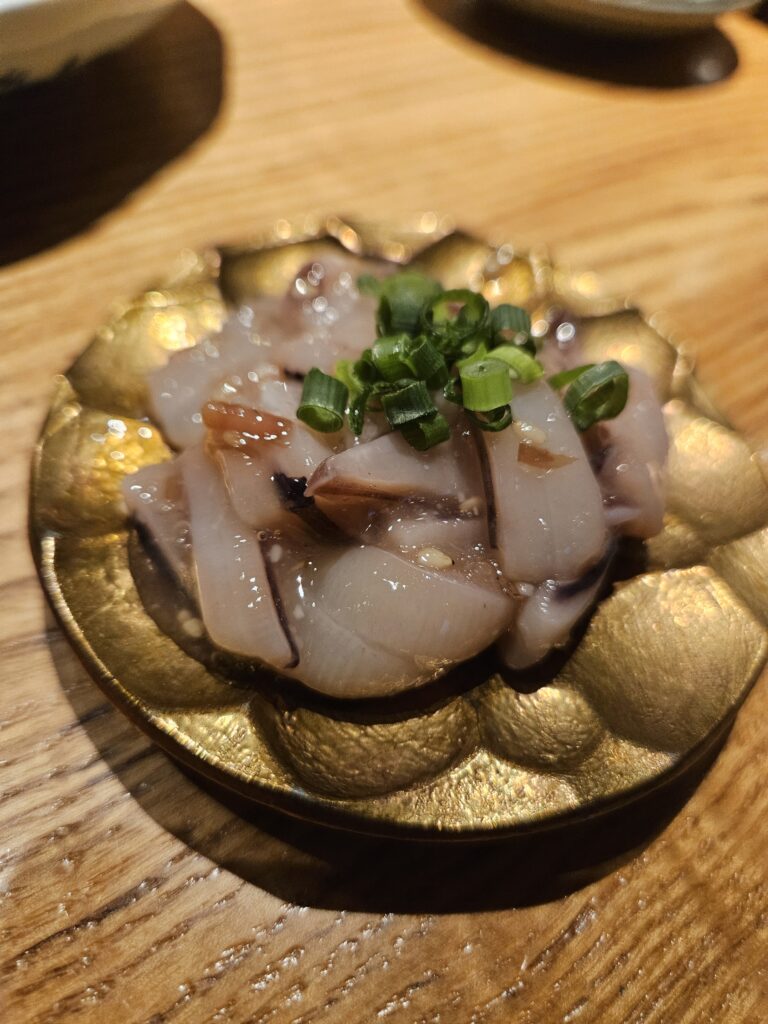
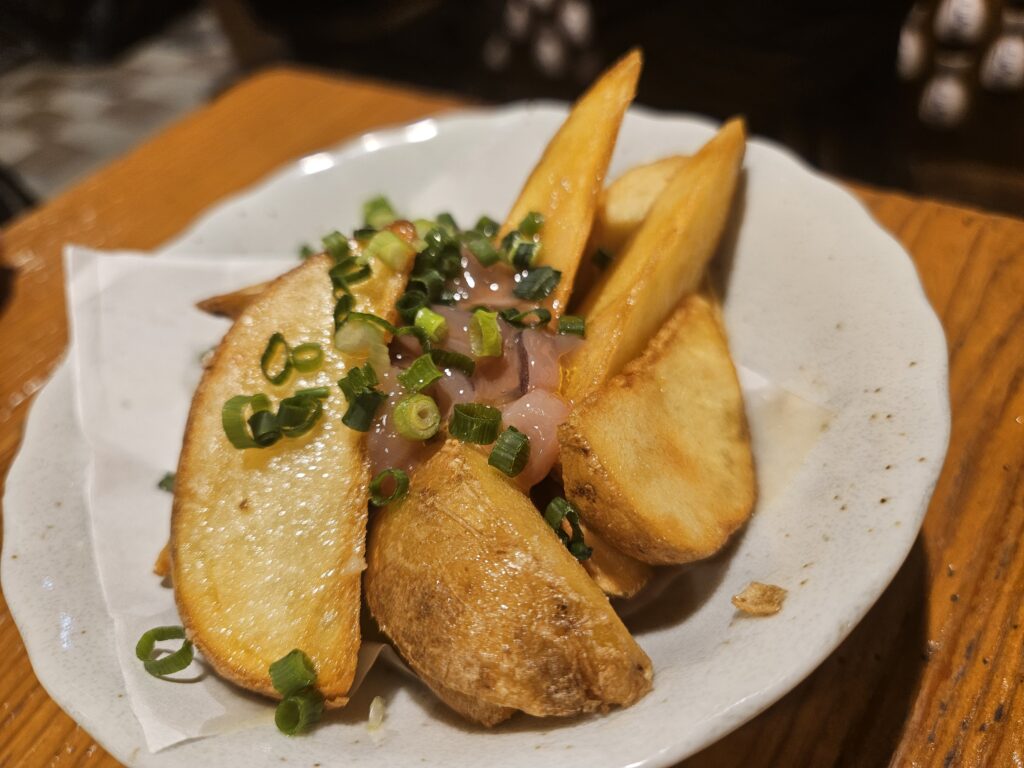
This is Goma Saba!
Goma Saba is one of Fukuoka and Hakata’s signature local dishes. It’s made with fresh mackerel sashimi, seasoned with soy sauce, mirin, and plenty of toasted sesame seeds. The rich flavor of the fatty mackerel combined with the nutty aroma of sesame makes it a favorite both as a side dish with sake and as a topping for rice.
Whenever I come to Hakata, I always make sure to eat it — it’s an absolute must for me!
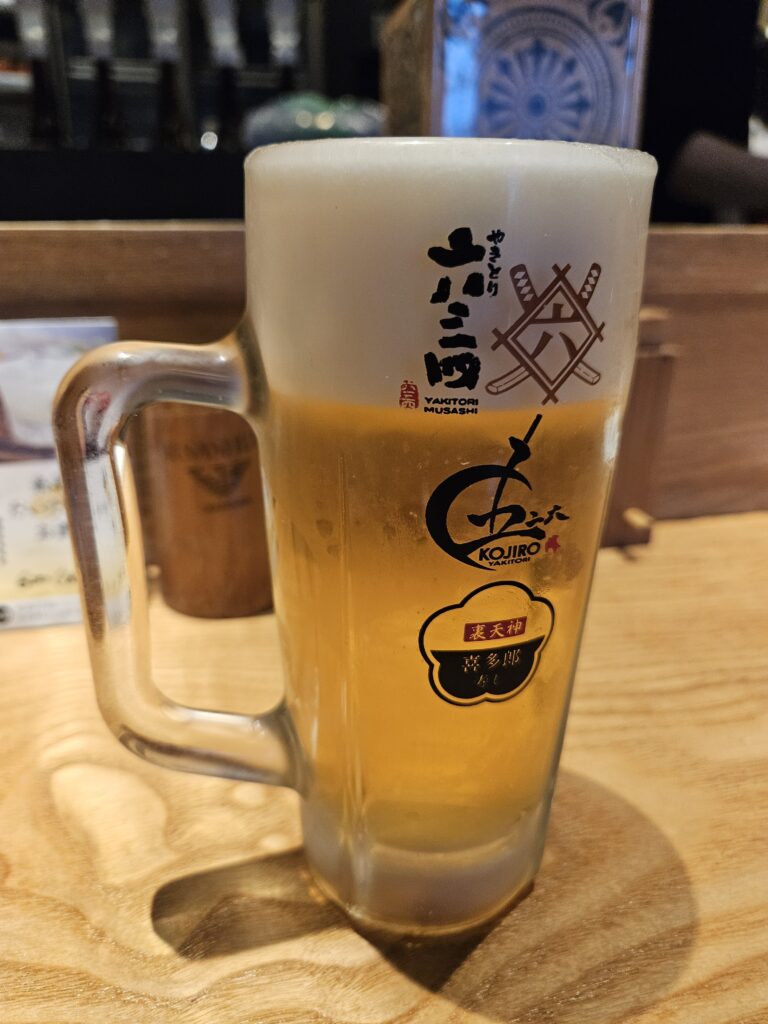
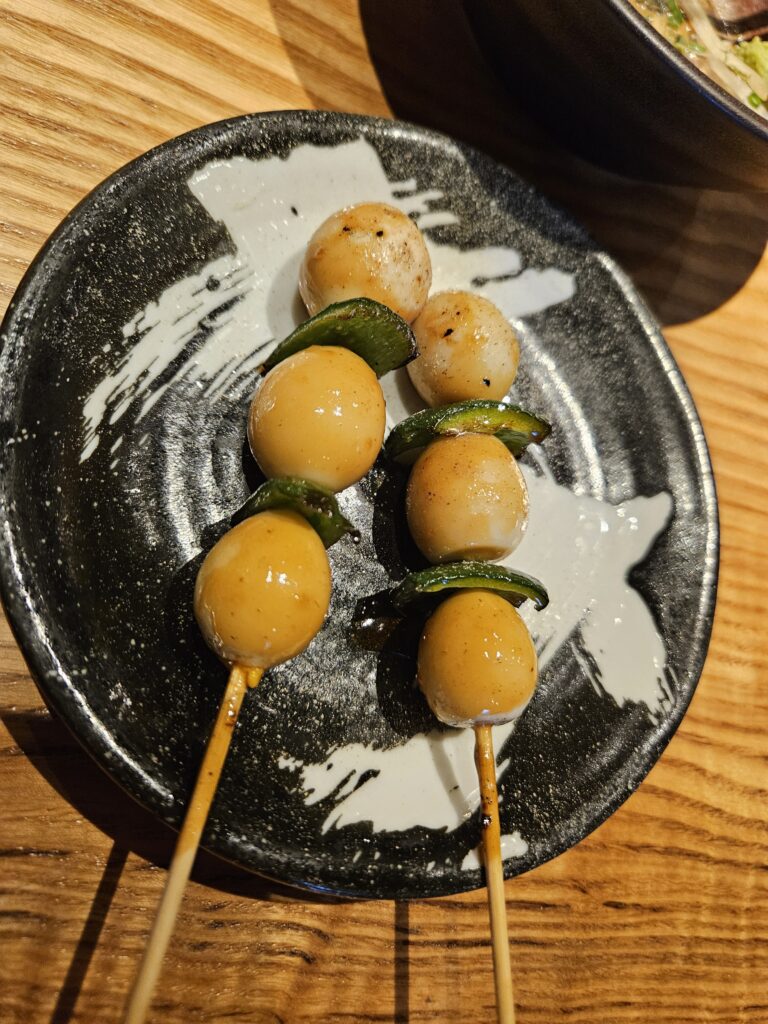
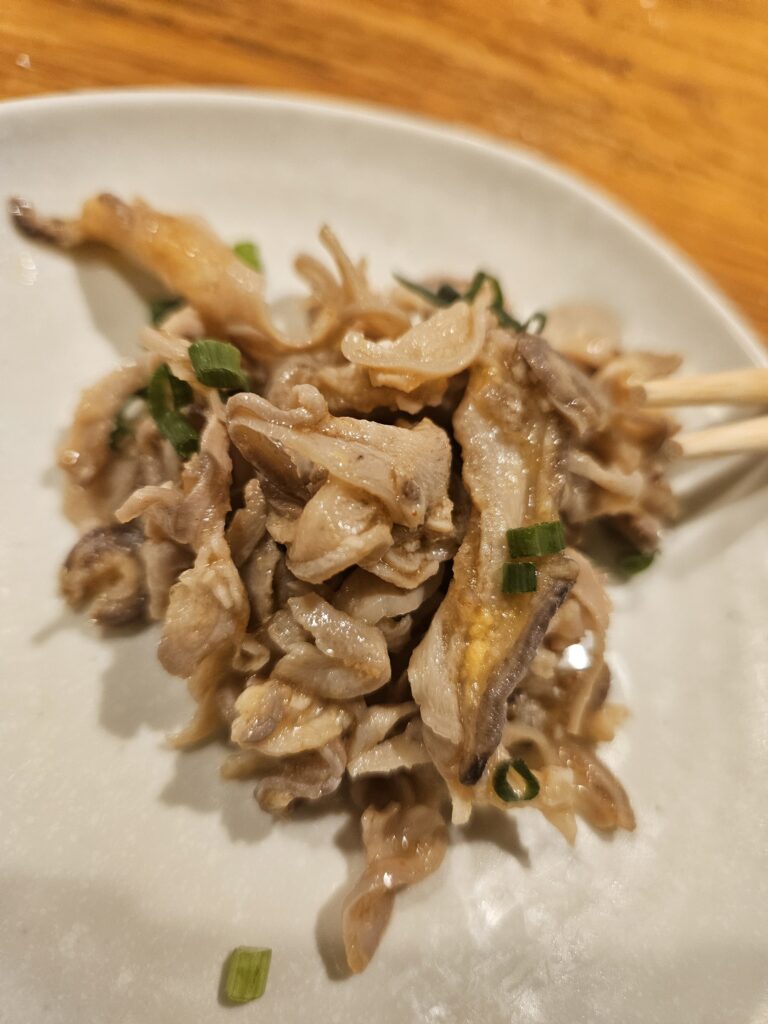
There are so many great places to eat in Fukuoka that I couldn’t resist trying a few. With a happy buzz, I headed from Tenjin to Hakata.
At Hakata Station, you’ll find plenty of restaurants, malls, and izakaya attached to the station itself. It’s the perfect place to relax and have fun without stressing about catching your train.
Overnight in Kokura
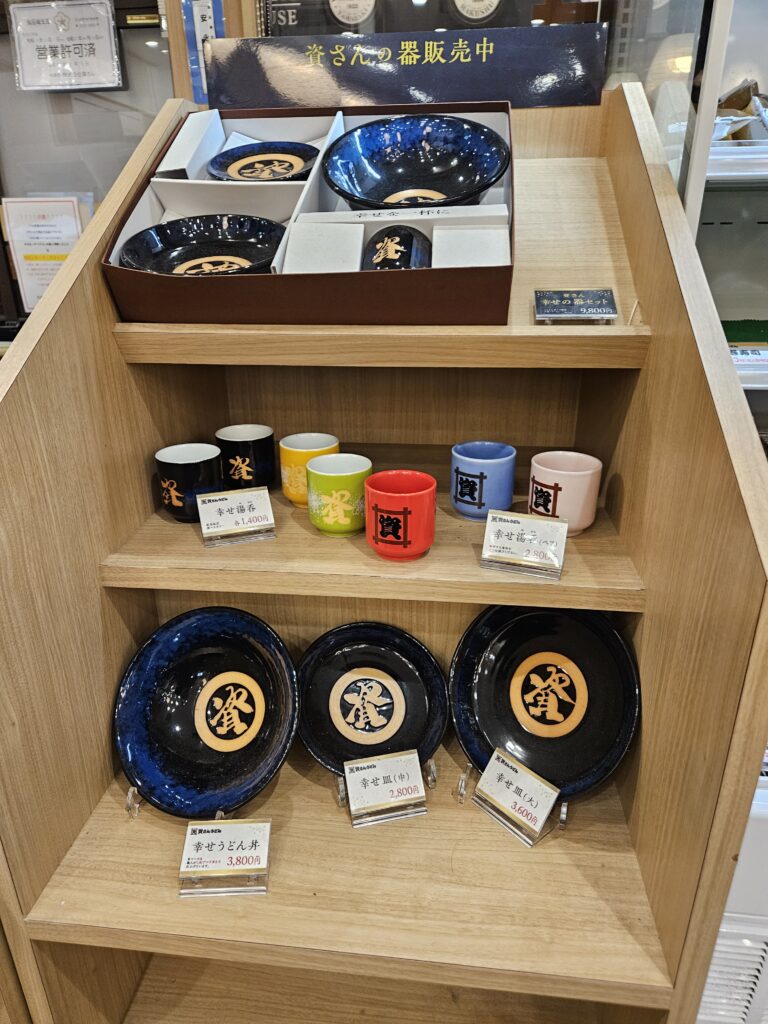
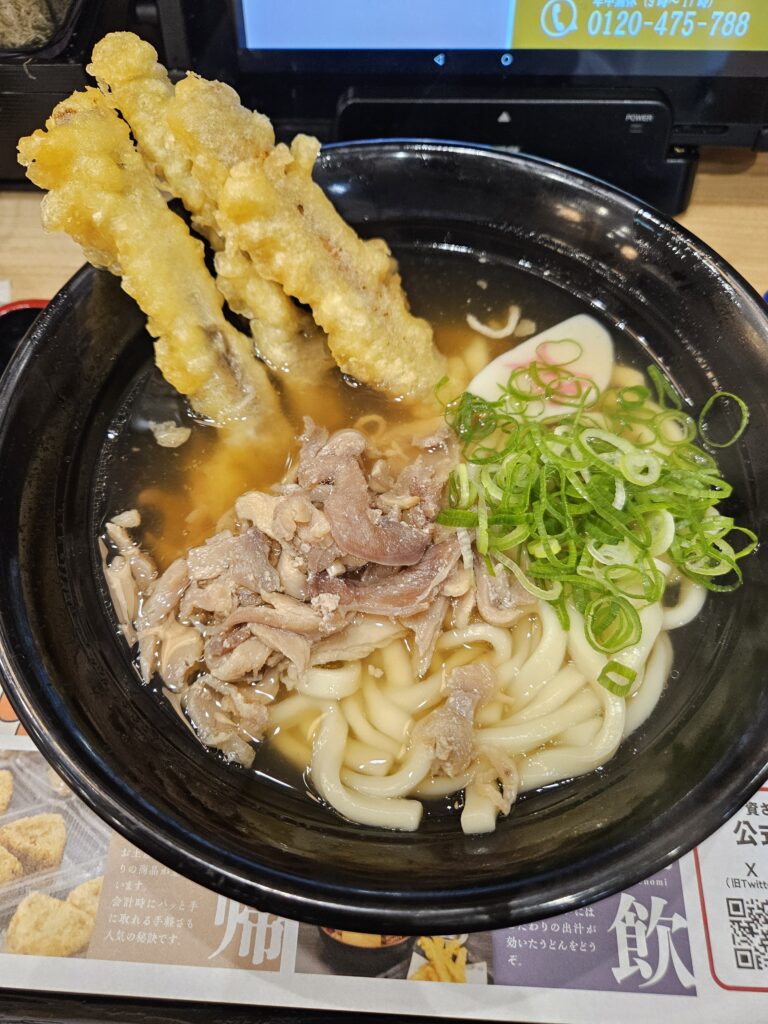
Feeling satisfied, we hopped on the Shinkansen to Kokura — just about 15 minutes from Hakata. After dropping off our luggage, we headed straight to Sukesan Udon, a beloved local chain famous for hearty bowls of udon noodles. Comfort food at its best. With full stomachs and happy hearts, it was time to rest.
Day Two: Kokura & Moji Port
We began the day with a gentle stroll around Kokura, enjoying the quiet morning streets before heading to our next destination.
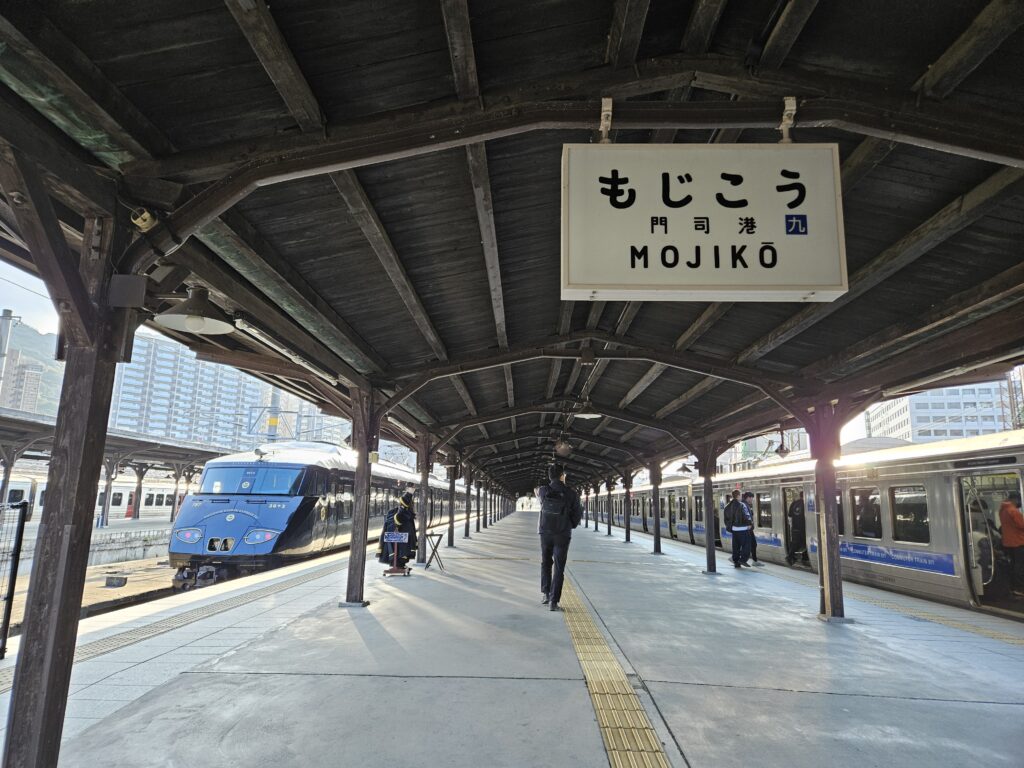
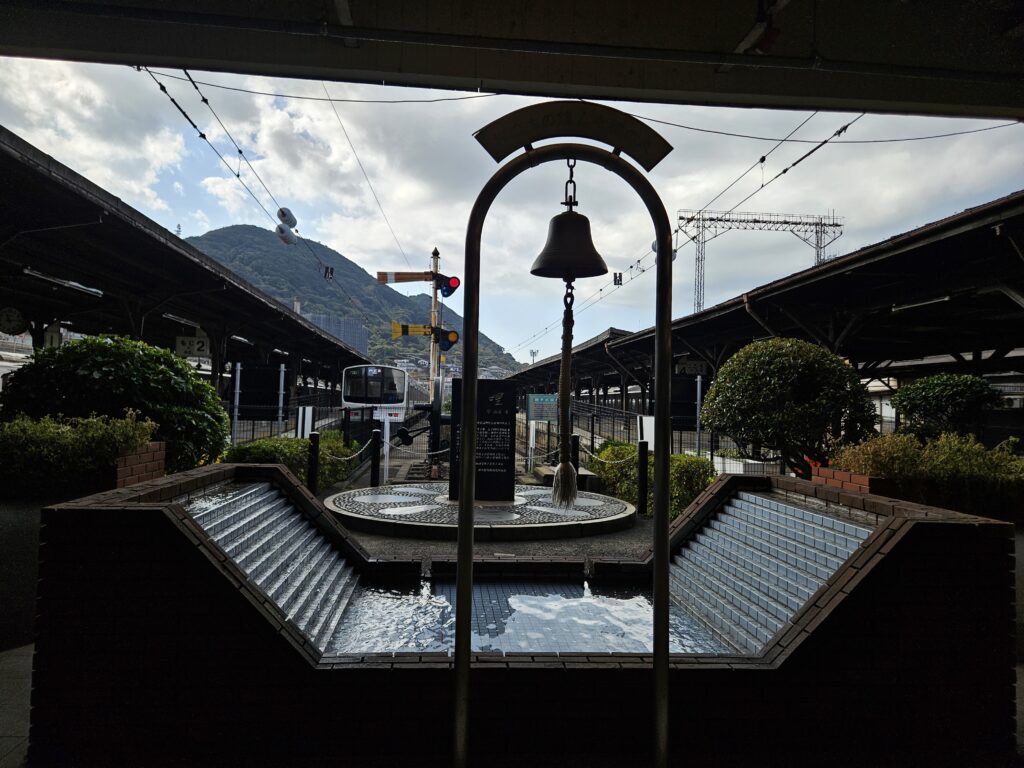
A short trip brought us to Moji Port, a retro harbor town with a nostalgic atmosphere. The area is compact and walkable, perfect for exploring on foot. The sea breeze, old brick buildings, and charming streets make it feel like stepping back in time.
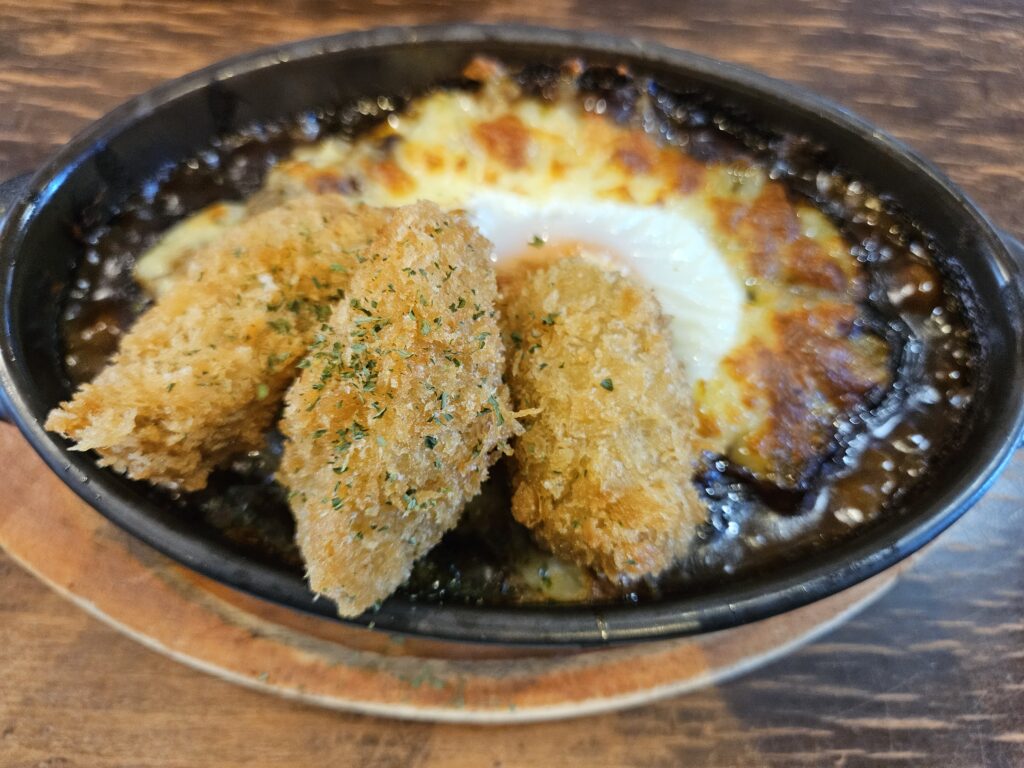
When you visit Moji Port, one dish you simply cannot miss is Yaki Curry. Served piping hot on an iron plate, this rich and flavorful curry is baked until bubbling, topped with gooey melted cheese, and sometimes even with extras like crispy fried oysters. The combination of creamy curry, savory toppings, and the sizzling presentation makes it unforgettable.
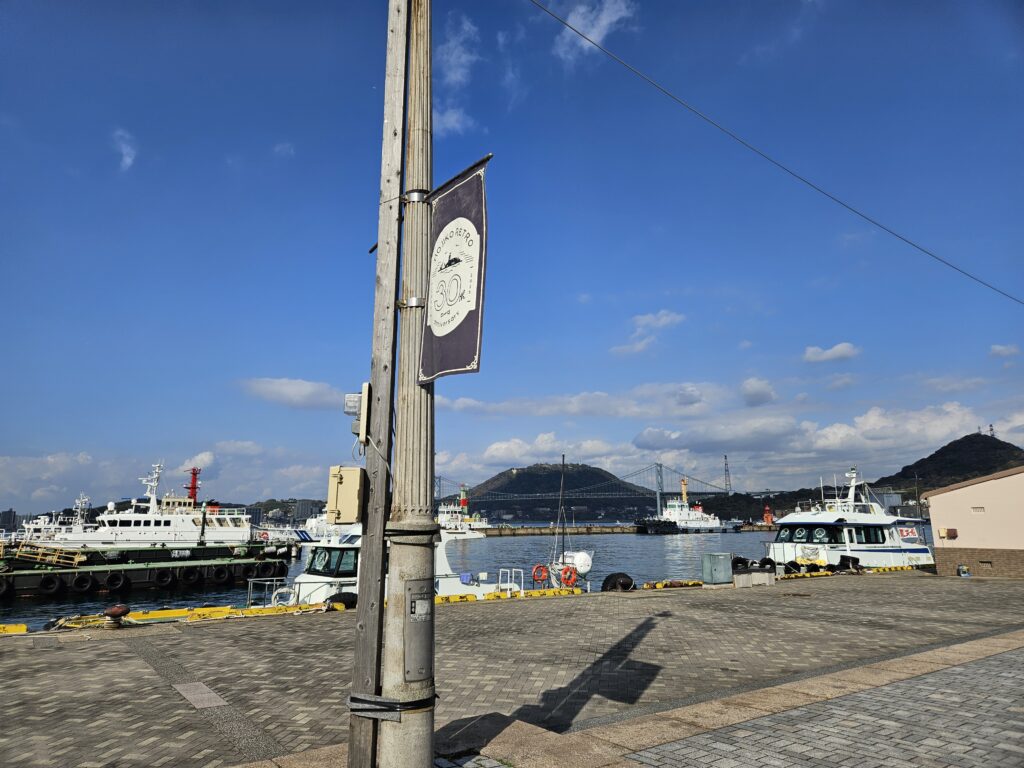
From the waterfront, you can gaze across the strait to Yamaguchi Prefecture — just on the other side of the water.
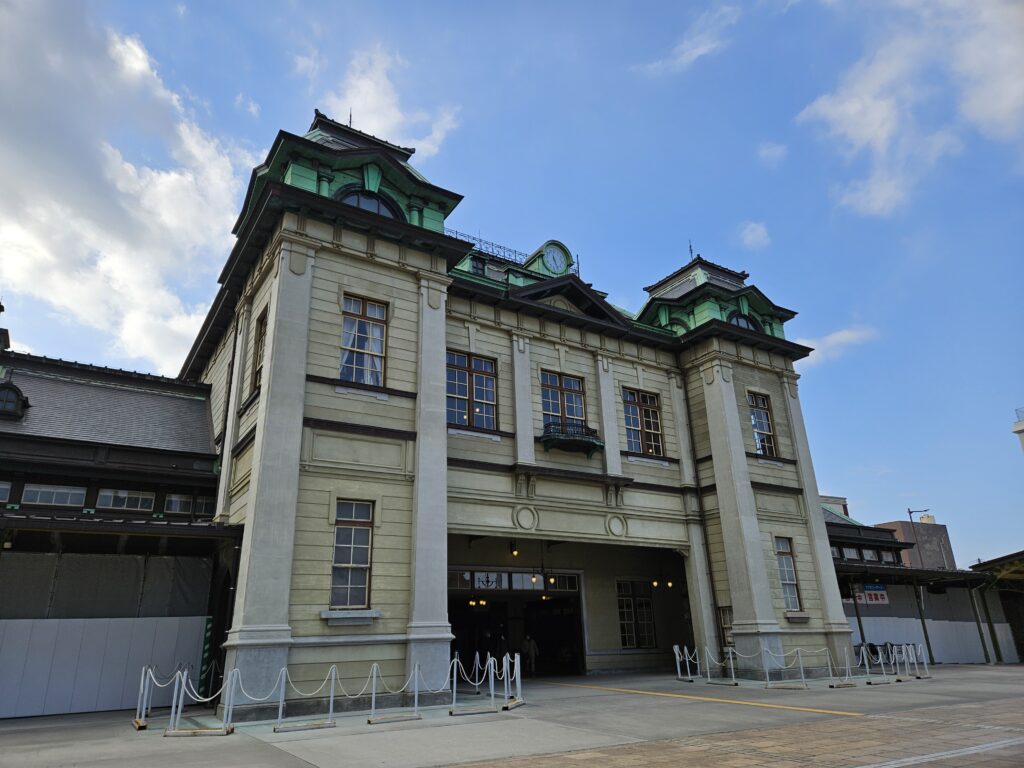
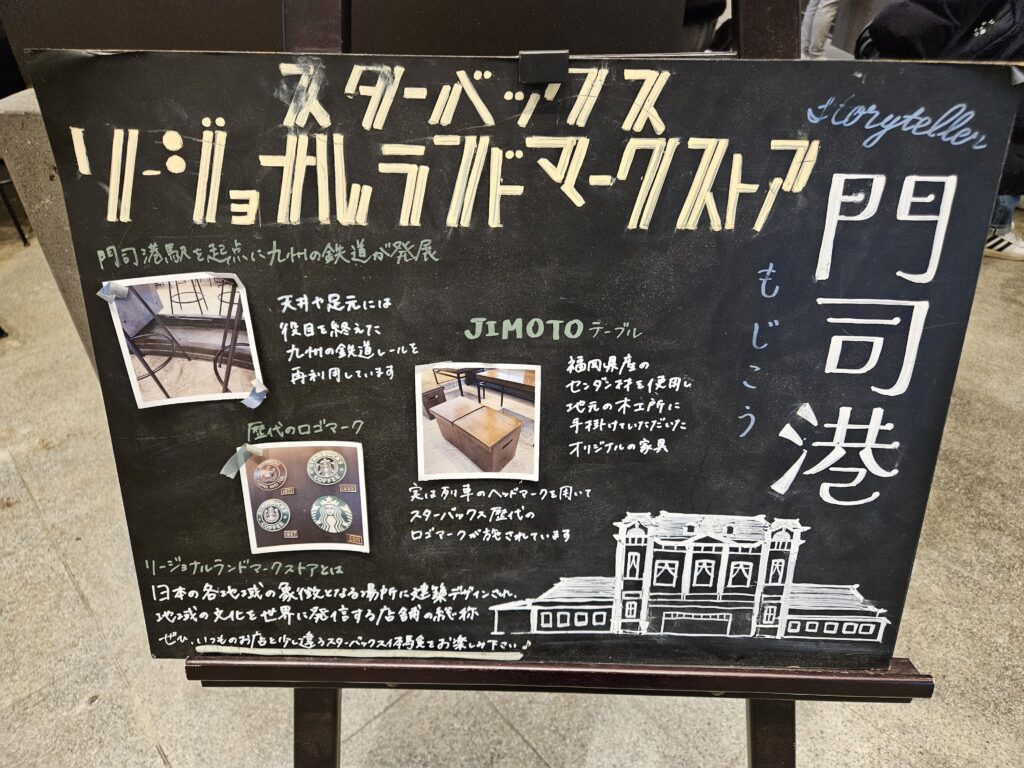
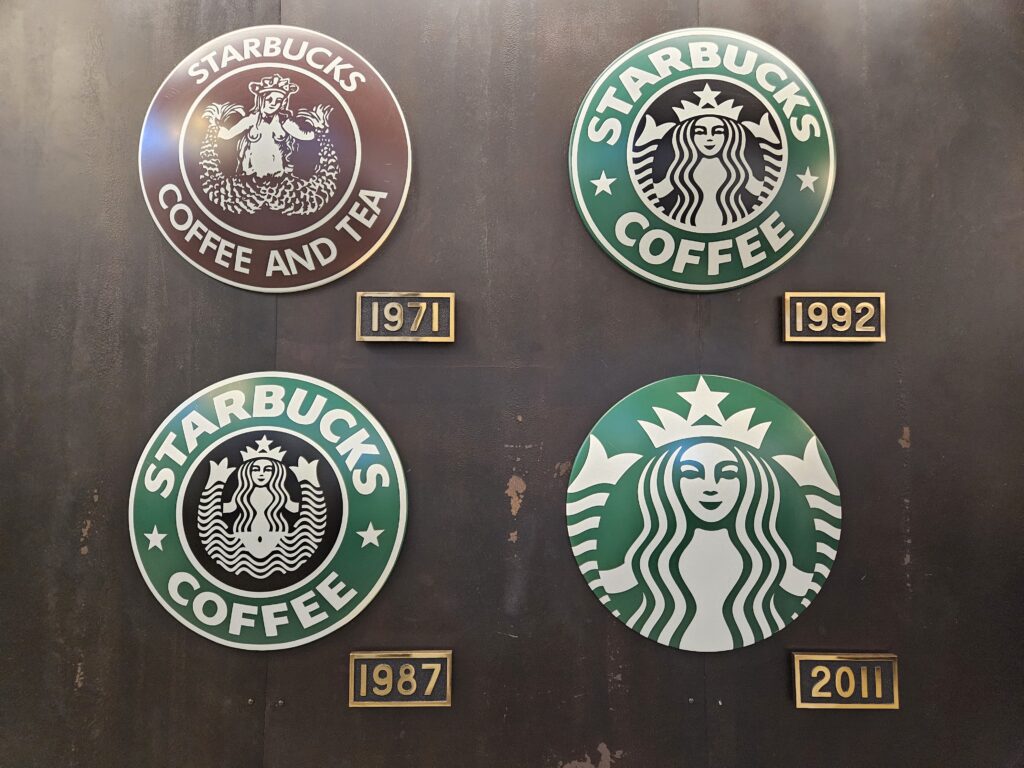
While waiting for my train at Moji Port Station, I decided to spend some time at the Starbucks Regional Landmark Store located right inside the station. This café isn’t just any Starbucks — it has been officially recognized as a landmark store, designed to blend with the retro, nostalgic atmosphere of Moji Port.
The interior feels warm and inviting, with wooden accents that echo the old port town’s charm. Sitting by the window, you can watch the trains come and go while sipping your coffee, making it the perfect spot to relax between sightseeing and travel.
For me, it was a cozy break — a chance to slow down, enjoy the unique setting, and soak in the atmosphere of Moji Port before continuing my journey.
Wrapping Up the One-Night Fukuoka Journey
This one-night trip from Osaka to Fukuoka showed just how much you can experience in a short time. From the spiritual calm of Dazaifu Tenmangu to the rich flavors of Hakata ramen, from lively Tenjin nights to Kokura’s comfort food, and finally the nostalgic charm of Moji Port — it’s a journey that combines history, food, and local culture.
The Shinkansen makes it all possible: in just a few hours, you can step into a completely different world. For curious travelers who want more than guidebook highlights, Fukuoka offers authentic encounters and unforgettable tastes.