Today I set out on a relaxed day trip using the Keihan & Osaka Metro One-Day Pass, which lets you travel freely across both networks. It’s one of the easiest ways to explore Kyoto’s quieter, more atmospheric corners without worrying about individual fares or transfers.
My route for the day was simple but full of charm: Yodoyabashi → Uji → Iwashimizu Hachimangū.
The journey itself was wonderfully smooth—about 55 minutes from Yodoyabashi to Uji with just one easy transfer at Chushojima, and another quick 35–40 minutes from Uji to Iwashimizu Hachimangū, again with a simple transfer at the same station. With the pass, I could just hop on and off without thinking about tickets, making the whole day feel light and unhurried.
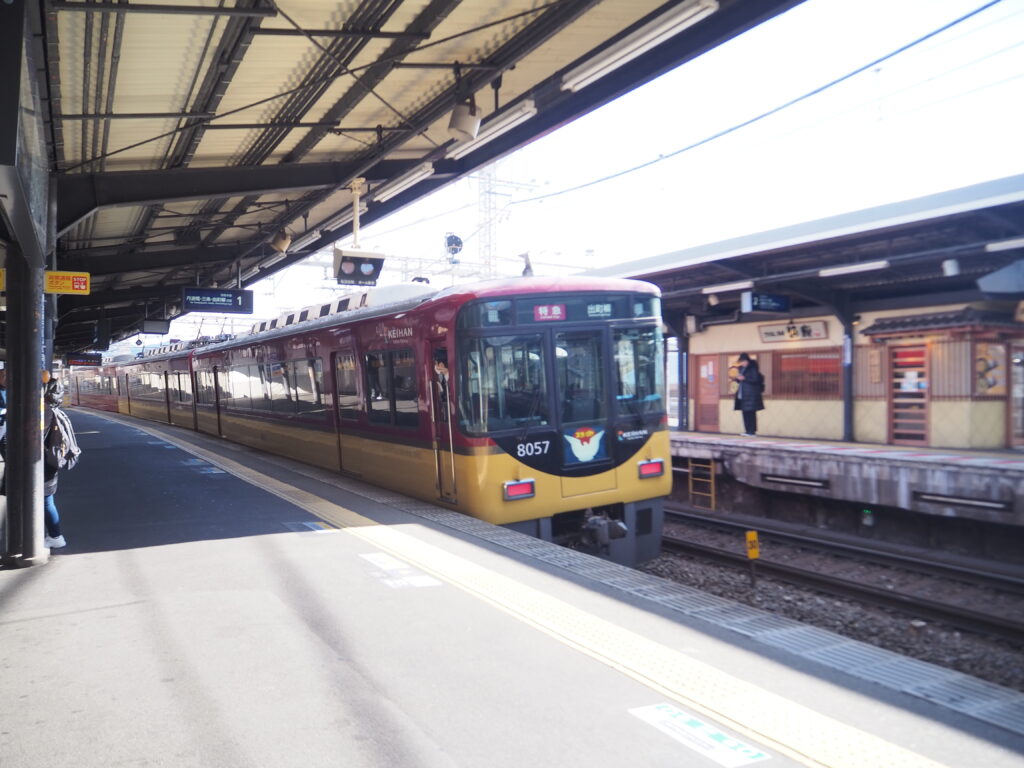
Table of Contents:
From Yodoyabashi to Uji: A Calm Start to the Journey
I boarded the Keihan train at Yodoyabashi in the morning, settling into my seat as the train followed the river north toward Kyoto. The ride itself feels like a gentle transition from the busy city into a slower, softer landscape.
After the train leaves Temmabashi, it comes out above ground. The Okawa River opens up on your left, and Osaka Castle appears on your right—make sure you don’t miss the view.
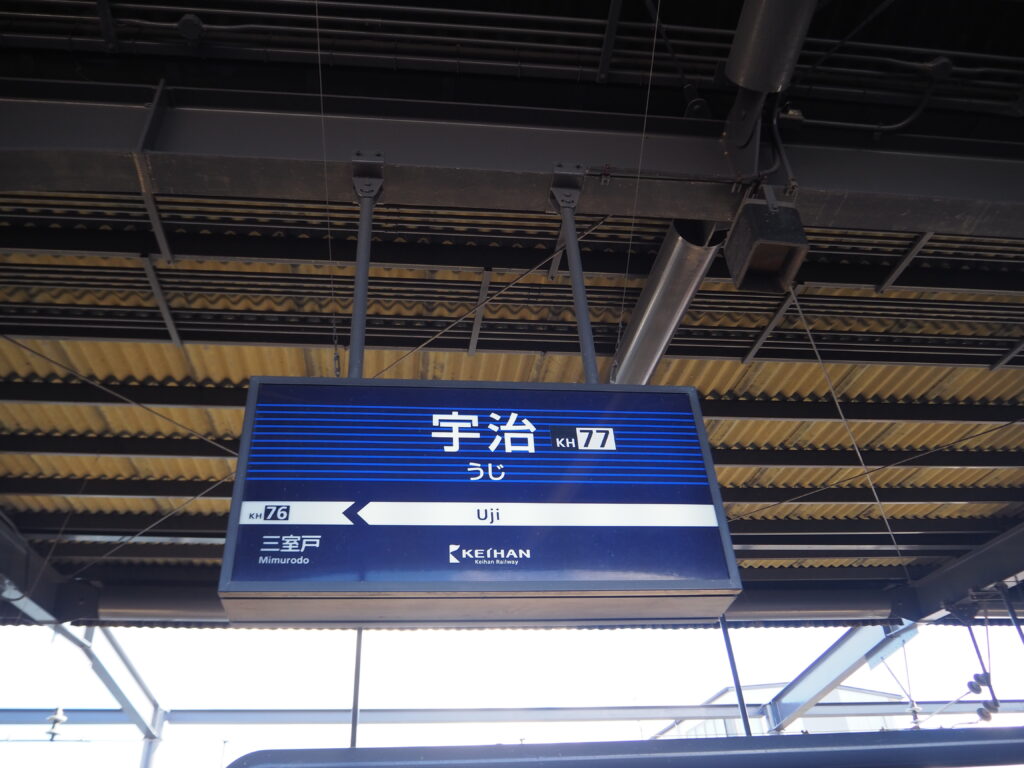
By the time the train arrived at Keihan Uji Station, the air already felt different—quieter, greener, and somehow lighter.
Crossing Uji Bridge and Wandering the Approach
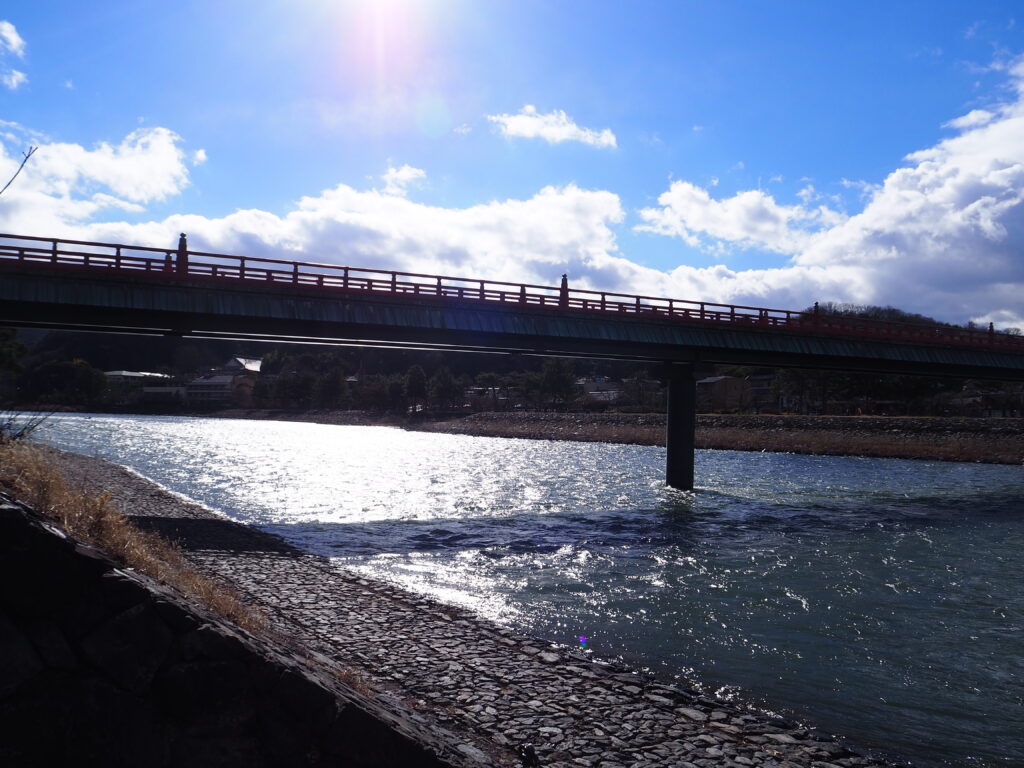
Stepping out of the station, I walked straight toward Uji Bridge, one of the oldest and most iconic bridges in Japan. Crossing it is like entering another world. The river was stirred up by the strong wind, but the scenery opened up beautifully on both sides.
From the bridge, I followed the approach road toward Byodoin.
This street is lined with charming shops selling matcha sweets, traditional snacks, and local crafts. It’s impossible not to stop—matcha soft serve, matcha dango, and beautifully packaged tea all call out to you. I took my time browsing, tasting, and enjoying the gentle atmosphere that Uji is so famous for.
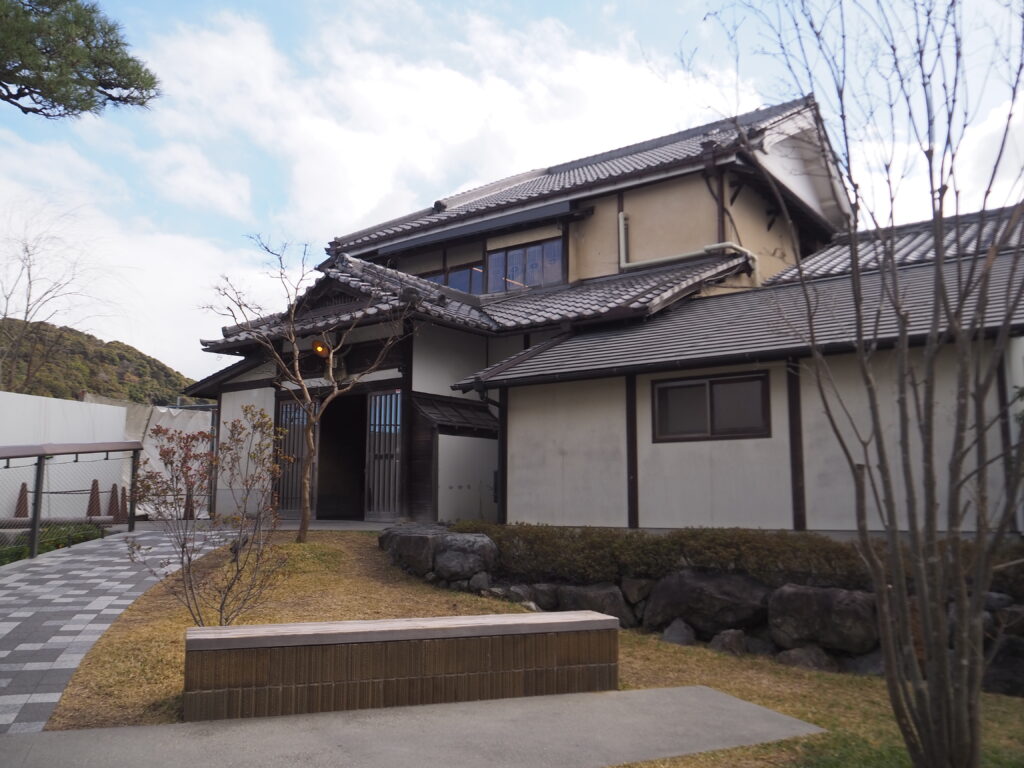
This is Nakamura Tokichi Honten Byodoin. You can enjoy their fresh matcha jelly here.
Byodoin Temple: A Glimpse of Pure Land Beauty
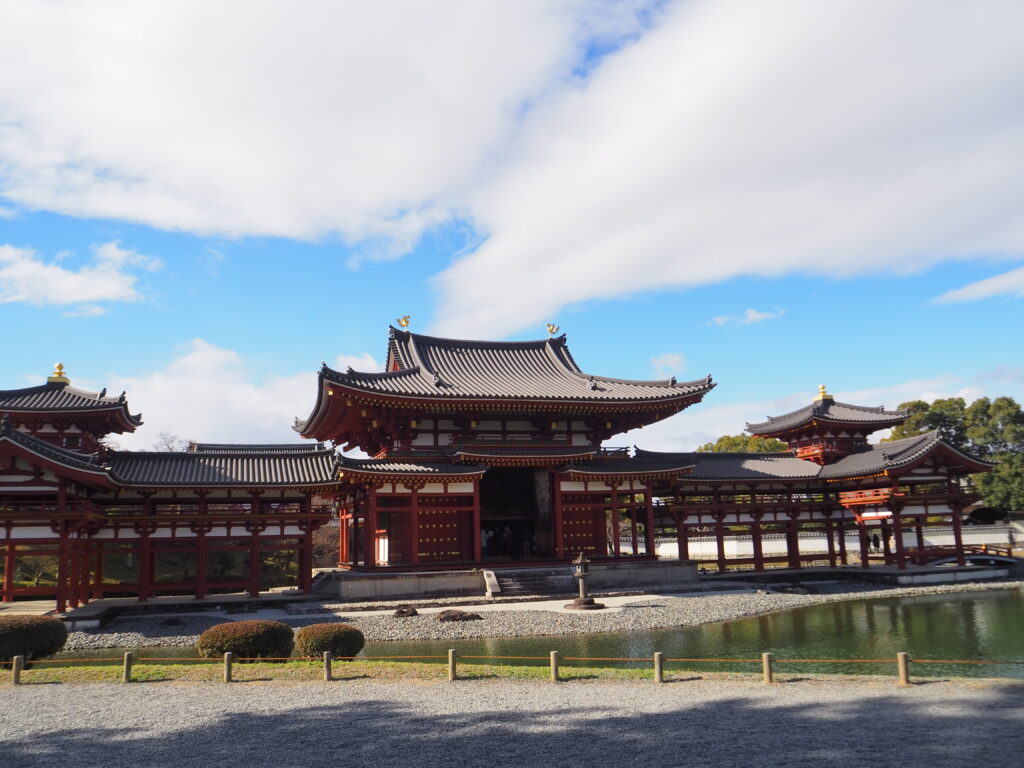
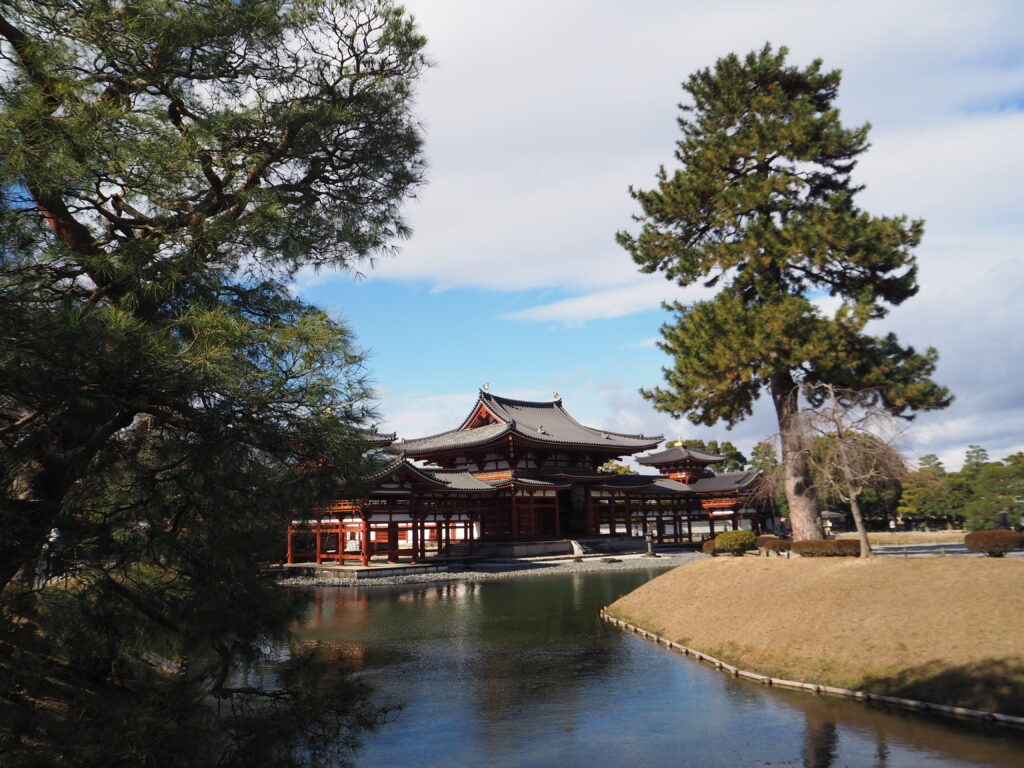
Eventually I reached Byodoin Temple, one of Japan’s most iconic historic sites and the image on the 10‑yen coin. Originally built in 1052 during the Heian period, it was commissioned by Fujiwara no Yorimichi as a villa-turned-temple at a time when people believed the end of the world was approaching. The Phoenix Hall, completed the following year, was designed to represent the Pure Land paradise—a vision of peace and salvation.
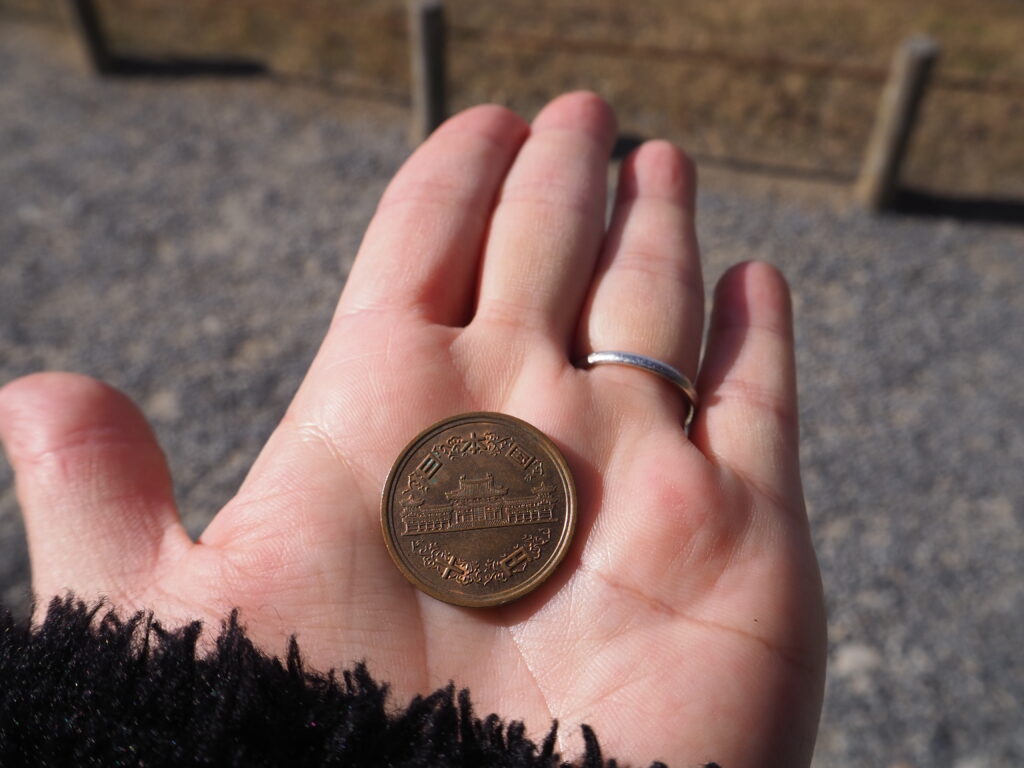
Standing in front of the hall today, I could see why it has captivated people for nearly a thousand years. The Phoenix Hall reflected on the still pond was just as breathtaking as ever. Its perfect symmetry, the gentle water, and the quietness of the garden create a feeling of stepping into a painting. Even with visitors around, there’s a sense of timeless calm, as if the Heian aristocrats might appear at any moment.
Walking through the grounds, I was reminded that Byodoin isn’t just a beautiful temple—it’s a place where history, faith, and aesthetics have been preserved with extraordinary care. The sound of the wind in the trees, the scent of incense drifting from the hall, and the soft light on the pond all come together to create a moment that feels both ancient and alive.
The admission fee is 700 yen. If you show the screen of your one‑day pass, you’ll receive a postcard, so don’t forget to claim it.
Uji Shrine and Ujigami Shrine
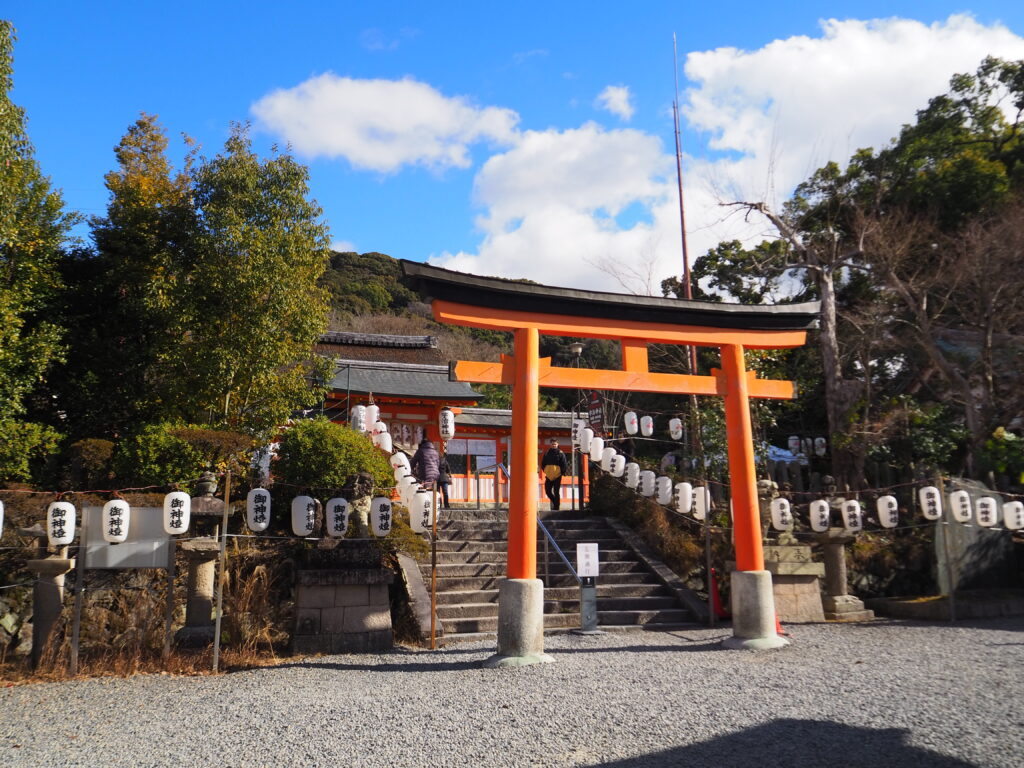
After exploring the grounds and the museum, I continued my walk toward Uji Shrine and Ujigami Shrine, two peaceful spots tucked into the forested hillside. The path between them is short but atmospheric, with moss‑covered stones, flowing water, and a sense of old Japan that lingers in the air.
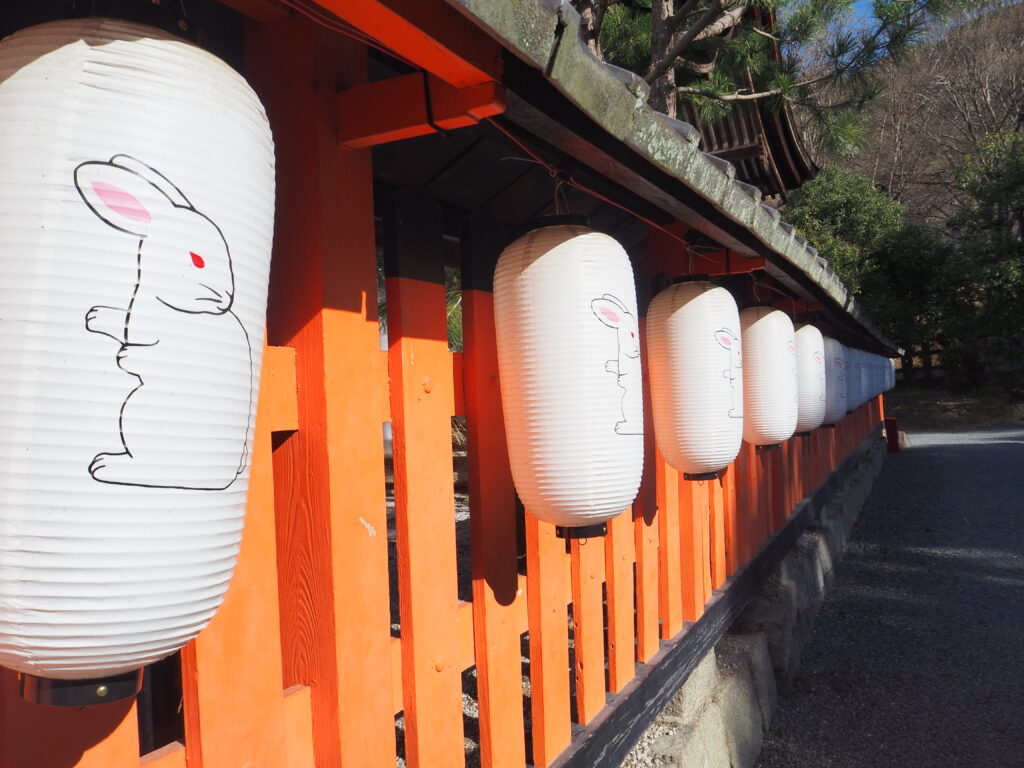
Uji Shrine is known for its guardian rabbit, a charming symbol connected to the legend of Prince Uji no Wakiiratsuko, who is said to have been guided by a white rabbit during a moment of crisis. You’ll find rabbit motifs throughout the shrine—on ema plaques, statues, and even the omikuji boxes—each one adding a gentle touch of folklore to the quiet grounds. The rabbit isn’t just cute; it represents guidance, protection, and the idea of finding the right path, which feels especially fitting in this serene corner of Uji.
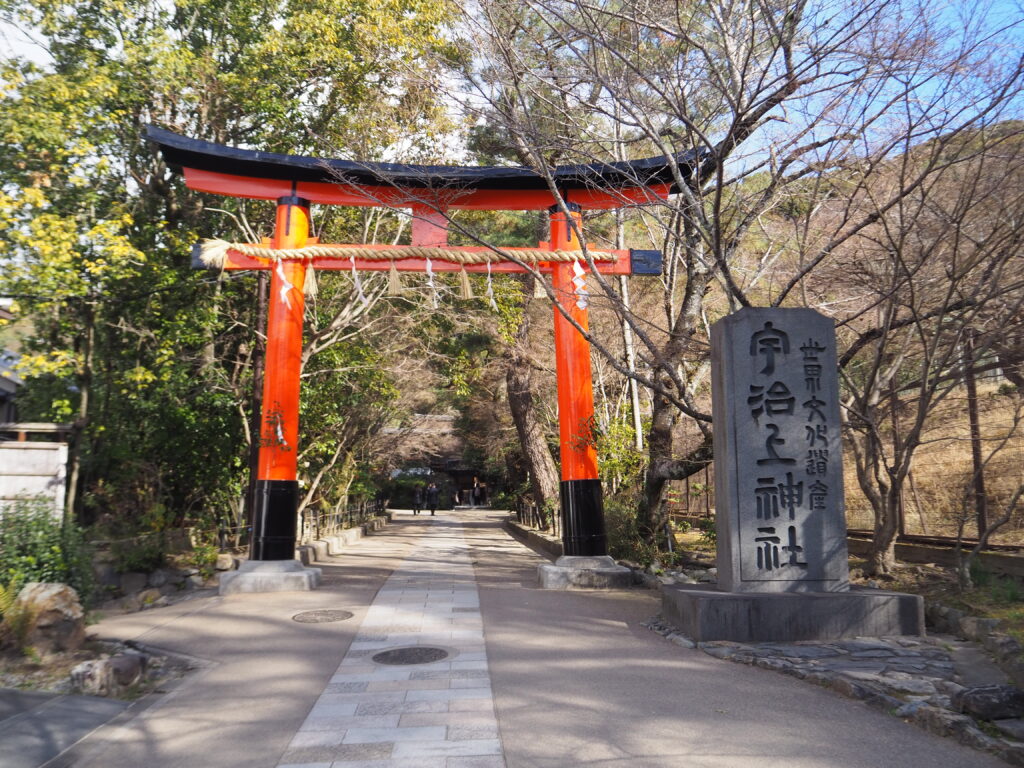
A few steps uphill brings you to Ujigami Shrine, recognized as the oldest existing Shinto shrine building in Japan and a UNESCO World Heritage Site. Its architecture is simple and dignified, with a quiet presence that reflects its long history. The honden, built in the late Heian period, has a calm, almost austere beauty that contrasts with the more decorative shrines found elsewhere. Standing there, surrounded by tall trees and the sound of water from the nearby spring, it’s easy to feel the weight of centuries.
Together, the two shrines create a small but deeply atmospheric world—one shaped by legend, history, and the natural landscape. The walk between them may be short, but it feels like stepping through layers of time, from ancient myths to the quiet spirituality of the present day.
From there, I made my way back to Keihan Uji Station to continue the journey.
To Iwashimizu Hachimangū: Cable Car and Mountain Paths
Next, I rode the Keihan line to Iwashimizu Hachimangū Station, where the cable car waits just outside. The ride is only a few minutes, but it’s surprisingly fun—slow, scenic, and a little nostalgic.
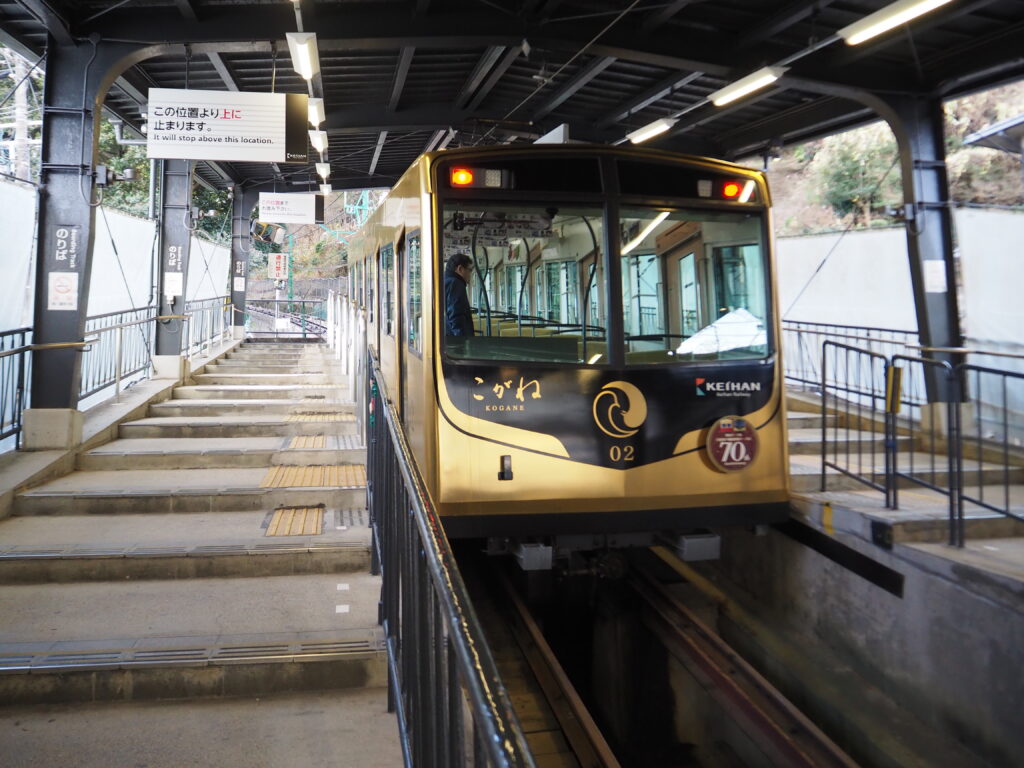
At the top, I followed the mountain path toward Iwashimizu Hachimangū Shrine. The walk is gentle and surrounded by trees, with occasional openings where you can look out over the city below. On a clear day, the view is wide and refreshing.
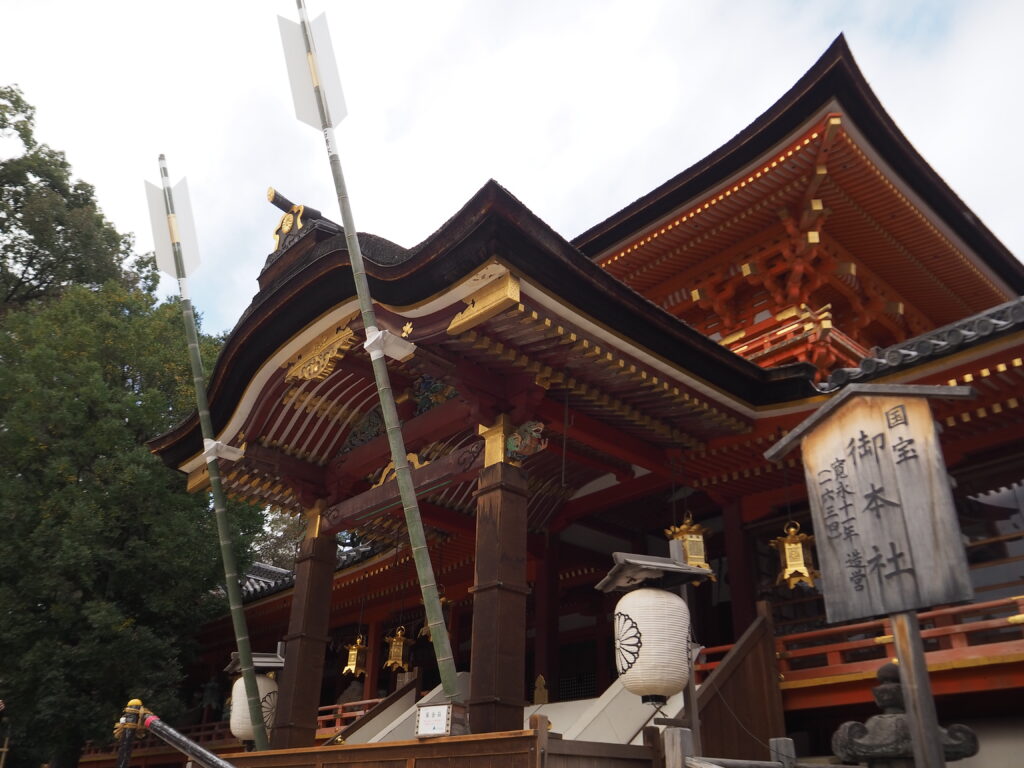
Iwashimizu Hachimangū is one of Japan’s most important Shinto shrines, standing on the forested slopes of Mt. Otokoyama in Yawata, just south of Kyoto. Founded in 859, it became the second of the three great Hachiman shrines and played a central role in protecting the nation and the imperial court. For centuries, emperors, samurai, and common people alike made pilgrimages here to pray for guidance, victory, and prosperity.
The shrine is dedicated to Hachiman, the god of archery and war, who later came to be revered as a guardian of the nation. Because of this, Iwashimizu Hachimangū was deeply connected to the rise of the samurai class, especially the Minamoto clan, who considered Hachiman their divine protector. The shrine’s influence was so significant that it shaped political and religious life throughout the Heian and medieval periods.
The current main hall, rebuilt in 1634 under the patronage of Tokugawa Iemitsu, is a magnificent example of the Hachiman-zukuri architectural style. Its vivid vermilion pillars, elegant rooflines, and richly decorated details reflect the refined craftsmanship of the early Edo period. The entire complex is designated as an Important Cultural Property of Japan.
Reaching the shrine is part of the experience. Visitors can either walk up the peaceful mountain paths or take the cable car, which glides through the trees and offers glimpses of the surrounding landscape. At the top, the atmosphere shifts immediately—quiet, cool air, towering cedars, and a sense of sacredness that has lingered here for more than a thousand years.
From the precincts, you can look out over the Kyoto Basin and the Yodo River, a view that once symbolized the shrine’s role in watching over the capital. Seasonal changes add to the charm: fresh green leaves in spring, deep shade in summer, fiery colors in autumn, and crisp, clear air in winter.
Iwashimizu Hachimangū isn’t just a historic site—it’s a place where the spiritual and natural worlds blend seamlessly. Whether you come for the history, the architecture, or the quiet beauty of the mountain, the shrine offers a moment of calm and connection that feels timeless.
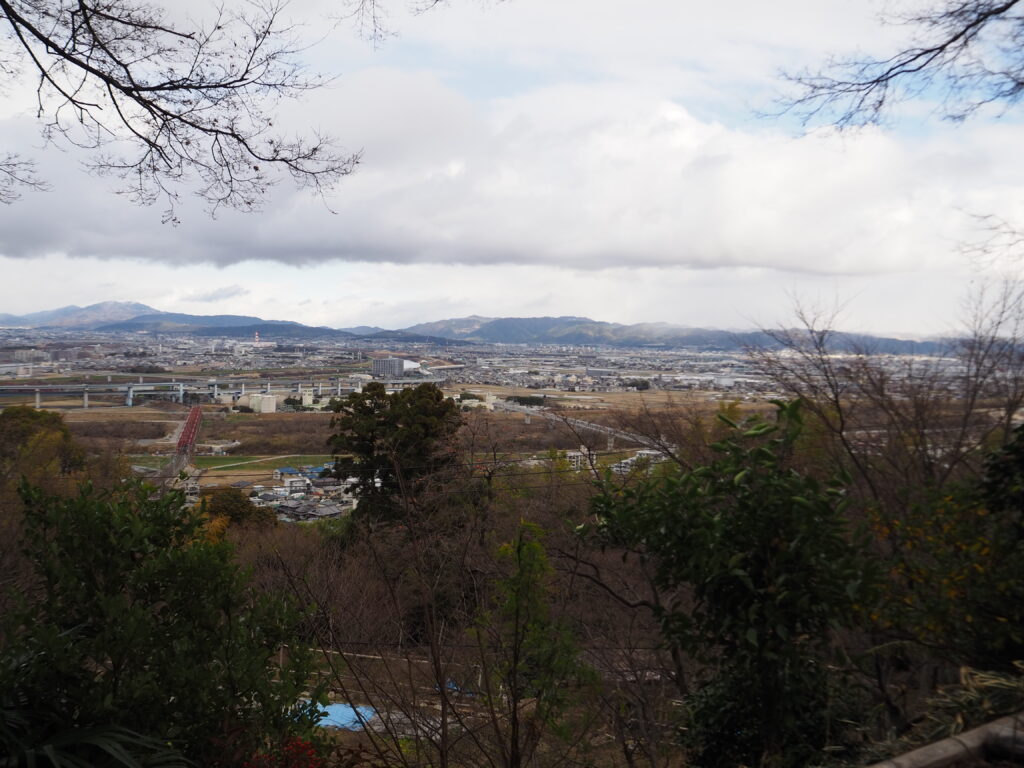
In spring, the nearby Sewaritei area becomes famous for its long tunnel of cherry blossoms. From the mountain, you can sometimes catch a glimpse of the pink line stretching along the river—a beautiful reminder of the season.
A Day of Slow Travel and Soft Moments
With the one-day pass, the entire trip felt effortless.
No need to think about transfers or fares—just follow your curiosity and enjoy the scenery.
Uji’s calm river, Byodoin’s timeless beauty, the forest paths of Uji Shrine, and the mountain air at Iwashimizu Hachimangū all blended into a gentle, memorable day.